




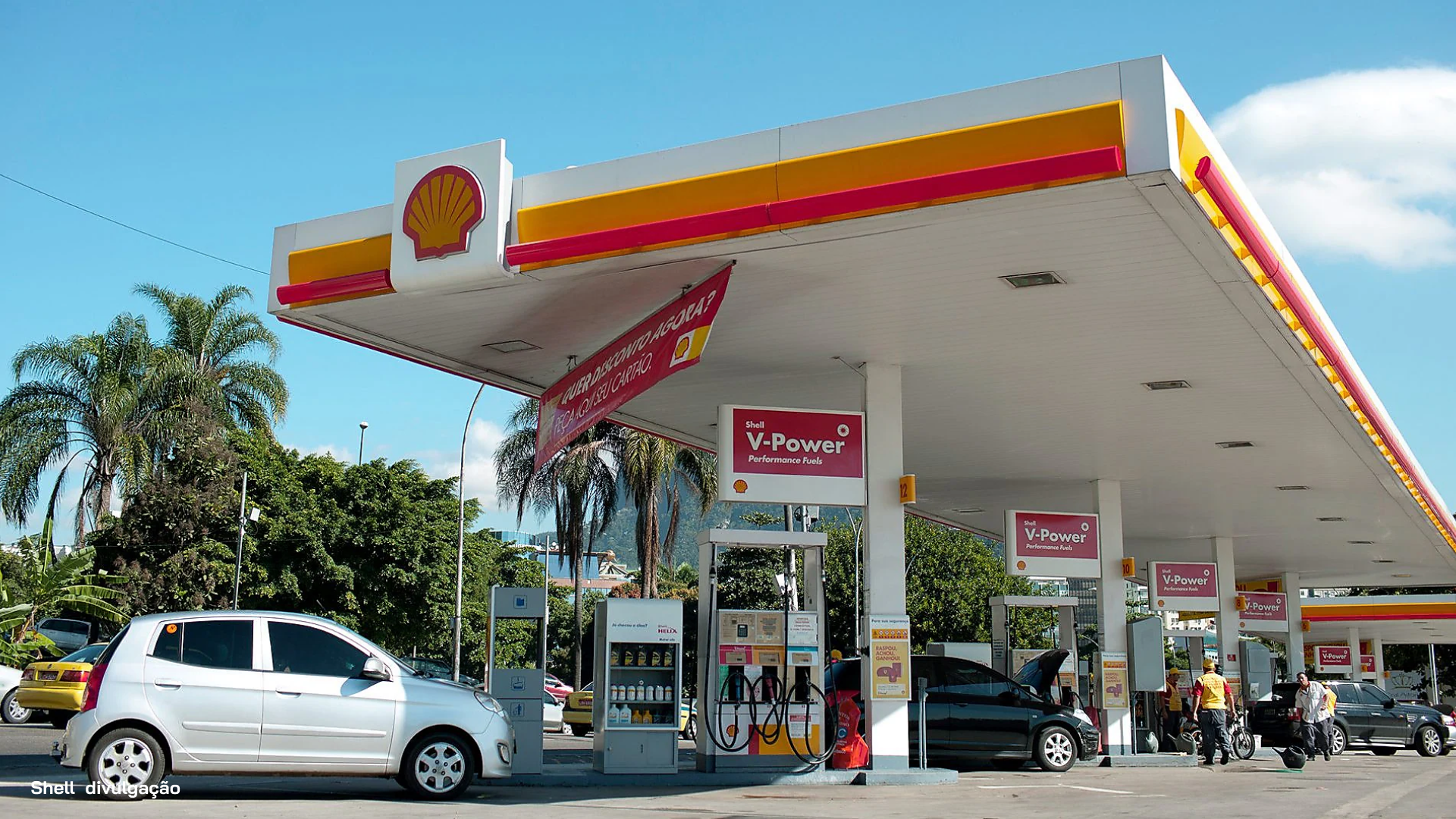
(Image: Courtesy of Shell)
Is a Shell Gas Station Worth It? Costs, Advantages, Risks, and Strategic Comparison
Investing in a Shell gas station can be highly attractive — as long as location, traffic, and strategy are properly aligned. In this technical guide, you will understand how the Shell model works, its costs, advantages, limitations, and, most importantly, when a well‑designed unbranded gas station can generate higher margins and greater asset value.
Choosing to invest in a Shell station is one of the most strategic decisions in fuel retail. Shell is a globally consolidated brand, with strong consumer recognition, national loyalty programs, and strict operational standards that directly influence perceived value. However, operating under the Shell brand also involves rigid contracts, higher initial investment, and reduced strategic autonomy, particularly in pricing and communication.
There is no universal answer to the question: “Is a Shell gas station worth it?”
Instead, there is the right model for the right location.
Based on real‑world analyses conducted by Petrol Group, Shell stations can perform exceptionally well in high‑traffic locations with brand‑sensitive consumers. In other contexts, however, a well‑planned unbranded station may deliver greater financial efficiency, higher margins, and more operational flexibility.
📌 This technical guide is based on real Petrol Group projects, integrating operational analysis, infrastructure sizing, and economic feasibility evaluation.
👉 https://petrolgroup.pro/
Technical Context: How the Shell Gas Station Model Works

A Shell gas station operates under an exclusive supply contract and must comply with strict standards for architecture, visual identity, layout, operations, and customer experience. As a result, the model delivers important competitive advantages — but also imposes strategic constraints that must be fully understood before any investment decision.
Key Characteristics of the Shell Model
- – Exclusive fuel supply under Shell contractual guidelines
- – Mandatory architectural and visual standardization
- – Full use of Shell brand assets, colors, language, and layout
- – Participation in national loyalty programs
- – Technical, operational, and marketing support from the network
A Shell station is not merely a fuel outlet; it is part of a structured brand ecosystem. While the operator sacrifices customization, they gain consistency and brand leverage.
What This Means in Practice
- – Reduced pricing and promotional autonomy
- – Higher operational predictability through standardized processes
- – Higher initial and ongoing compliance costs
- – Brand strength as the main traffic driver, reducing dependence on local marketing
The central question is not whether Shell is “good or bad,” but whether the model fits the specific location, traffic profile, and long‑term investor strategy. Brand power alone does not guarantee success.
How Much Does It Cost to Open a Shell Gas Station?
Opening or converting a station to Shell typically requires significantly higher CAPEX than an unbranded station. These costs go far beyond brand usage and include a comprehensive set of contractual, architectural, operational, and visual requirements.
Main Cost Components
- – Contractual and brand adhesion fees
- – Mandatory architectural upgrades (canopy, forecourt, store, structures)
- – Complete visual standardization (facade, totems, signage)
- – Approved communication materials and signage
- – Certified and homologated equipment
- – Investment in Shell Select convenience store or approved retail format
This increases initial investment and reduces margin for error, making technical planning critical.
Financial Impact and Feasibility
Higher costs require very specific conditions to be economically justified:
- – High vehicle traffic capable of diluting fixed costs
- – Strong road visibility and clear access
- – A market that truly values the Shell brand
- – Sufficient fuel and convenience volume to sustain the model
When these conditions are not met, even a strong brand may deliver below‑potential returns. In many cases, a well‑designed unbranded station achieves better efficiency due to lower CAPEX and higher flexibility.
Strategic Advantages of a Shell Gas Station
When correctly positioned and aligned with investor strategy, the Shell model offers meaningful advantages.
1. Global Brand and Immediate Trust
Shell is one of the most recognized fuel brands worldwide. This reduces decision friction, especially in:
- – Highways and logistics corridors
- – Medium‑sized cities with brand‑sensitive consumers
- – Transit regions with non‑recurring customers
- – Highly competitive areas
In fast‑decision environments, the brand acts as a cognitive shortcut, driving spontaneous stops.
2. National Loyalty Programs
Shell loyalty programs contribute directly to:
- – Higher recurrence rates
- – Increased visit frequency
- – Longer dwell time and higher convenience sales
When properly leveraged, loyalty becomes an extension of the commercial strategy.
3. Operational Standardization
Standardization reduces operational variability, resulting in:
- – Fewer operational errors
- – Higher predictability of performance
- – More structured management processes
This is especially valuable for less experienced operators or multi‑unit operations.
4. Enhanced Perceived Quality
Even without technical fuel differences, the Shell brand strongly influences perception of:
- – Quality
- – Safety
- – Reliability
This perception affects stopping behavior and reinforces the brand as a strategic attraction asset.
Limitations and Risks of the Shell Model
Shell’s advantages come with important strategic limitations that must be evaluated with the same rigor.
1. Reduced Commercial Autonomy
- – Limited pricing flexibility
- – Restricted local promotions
- – Low tactical autonomy in competitive markets
This can be critical in price‑sensitive regions dominated by unbranded competitors.
2. Rigid, Long‑Term Contracts
- – Long contractual terms
- – Significant exit penalties
- – Ongoing mandatory upgrades
These factors reduce adaptability to market or traffic changes.
3. Lower Margin per Liter
In many scenarios, Shell stations show lower unit margins, making viability dependent on:
- – High sales volume
- – Strong traffic conversion
- – Revenue from convenience retail
Without scale, the station may show high revenue but low financial efficiency.
Shell vs Unbranded Gas Station: Strategic Comparison
This decision must be technical — not emotional or brand‑driven.
Key Strategic Differences
Commercial Freedom
- – Shell: Low
- – Unbranded: High
Initial Investment
- – Shell: High
- – Unbranded: Moderate
Brand Power
- – Shell: Immediate recognition
- – Unbranded: Built through design and positioning
Margin Potential
- – Shell: Medium, volume‑dependent
- – Unbranded: High, management‑dependent
Technical Comparison Table
| Criteria | Shell Station | Unbranded Station |
|---|---|---|
| Autonomy | Low | High |
| Initial investment | High | Medium |
| Margin potential | Medium | High |
| Flexibility | Limited | Total |
| Asset valuation | High (strong location) | High (strong project) |
There is no universally superior model — only the one most compatible with the asset, traffic, and investor objectives.
When a Shell Gas Station Makes Sense
Shell tends to perform best when:
- – Traffic volume is high
- – Road visibility is excellent
- – The market values global brands
- – The investor prioritizes predictability
- – The project is long‑term oriented
In these cases, brand leverage compensates for higher costs and lower flexibility.
When an Unbranded Station May Be Better
Unbranded stations often outperform when:
- – Traffic is medium or mostly local
- – Customers are price‑sensitive
- – The investor seeks margin control
- – Aggressive pricing strategies are required
- – Architecture and visual identity are strong
Here, flexibility and margin control frequently deliver superior financial results.
Architecture and Identity: The Decisive Factor
Architecture is the bridge between brand choice and financial performance.
A poorly implemented Shell station underperforms despite brand power.
A well‑designed unbranded station can consistently outperform major brands.
At Petrol Group, performance is treated as an integrated system:
- – Architecture and road visibility
- – Operational layout efficiency
- – Visual communication and decision clarity
- – Measurable traffic conversion
- – Convenience retail as a margin engine
When these elements work together, the brand becomes strategy — not a gamble.
Common Mistakes When Investing in a Shell Station
- – Choosing based solely on brand strength
- – Ignoring real traffic data
- – Underestimating contractual and ongoing costs
- – Copying standard models without context
- – Treating architecture as aesthetics instead of conversion
In fuel retail, brands attract — architecture converts.
Frequently Asked Questions
Do Shell stations sell more fuel?
They can — but only if traffic volume exists. Brands do not create traffic; they convert it.
Is Shell always safer?
No. Safety and financial security depend on management and project design, not the brand itself.
Can you exit the Shell brand later?
Yes, but it is costly and complex, requiring contractual, visual, and strategic repositioning.
Does Shell work for small stations?
Rarely. The model requires scale to dilute costs and protect margins.
Strategic Consulting: When to Involve Petrol Group
Choosing a Shell station or another model must be technical, measurable, and strategic.
Petrol Group evaluates:
- – Real traffic and conversion potential
- – Competitive landscape
- – Cost and margin structure
- – Architecture and layout efficiency
- – Medium‑ and long‑term asset valuation
🚀 Is a Shell gas station worth it in your case?
Request a Strategic Gas Station Model Diagnosis and discover which option delivers higher margins, better control, and stronger asset value.
With Petrol Group, everything your gas station needs is in one place.
What a Shell gas station franchise includes
- Brand license — right to operate under the Shell name and colors
- Fuel supply contract — guaranteed supply from Shell distribution network
- Visual identity package — canopy, signage, totem, and uniform standards
- Training program — operational and customer service standards
- Marketing support — national campaigns and loyalty program integration
Frequently Asked Questions
What is the first step to improve gas station marketing?
Start with Google Business Profile optimization. It is free, captures local searches, and directly impacts new customer foot traffic.
How do loyalty programs work for gas stations?
Customers earn points per liter fueled or per purchase in-store, redeemable for discounts or products. App-based programs deliver 2x higher engagement than card-based ones.
What is the average payback period for a gas station renovation?
With proper planning, a visual renovation typically pays back within 12 to 24 months through increased volume and stronger brand positioning.