




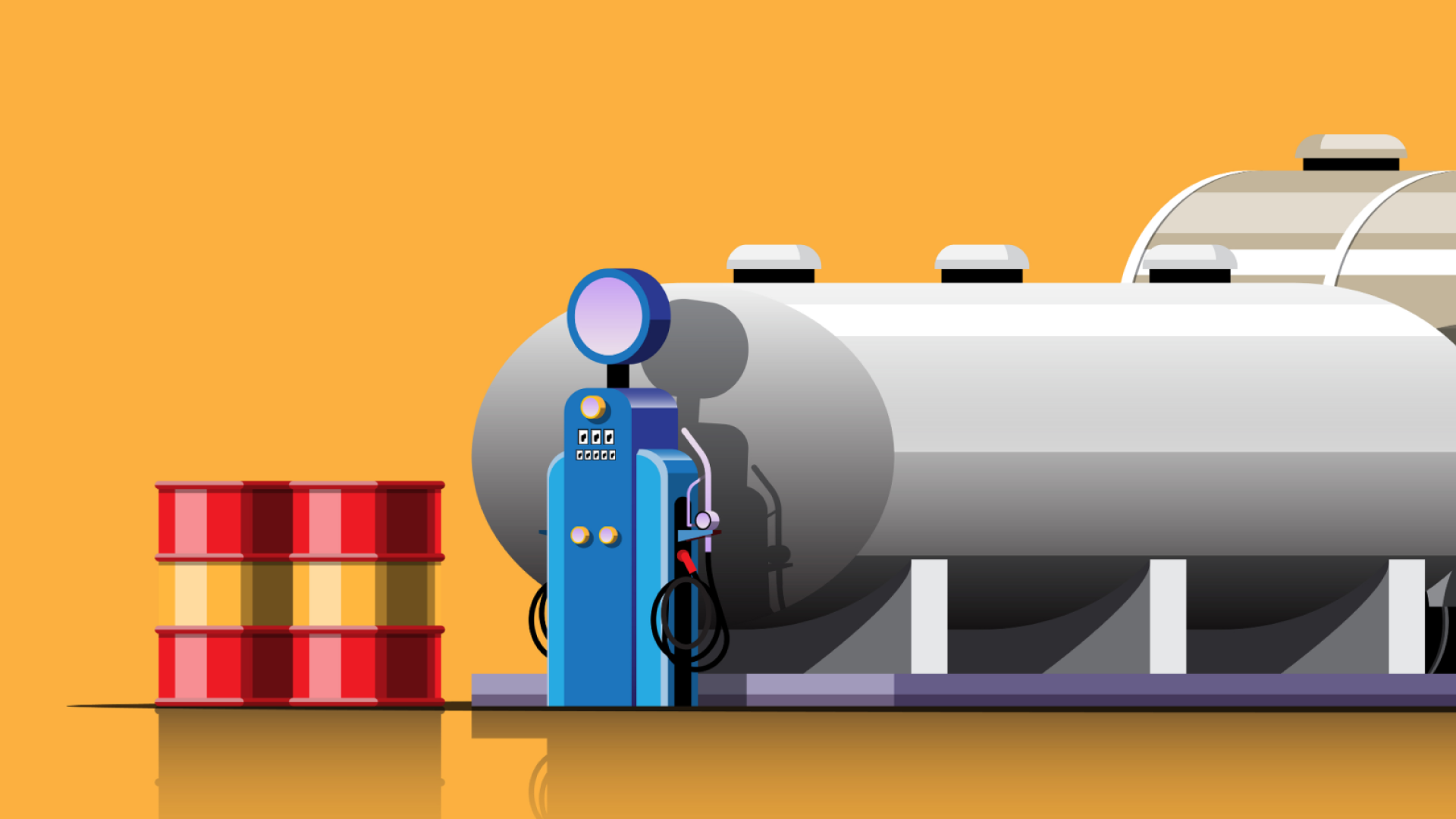
Ensuring the proper installation and management of fuel storage tanks is essential for the safe and efficient operation of gas stations across the United States. When station owners follow federal and state regulations—especially those set by the Environmental Protection Agency (EPA) and technical bodies like the Steel Tank Institute (STI) and the American Petroleum Institute (API)—they protect their investments, the environment, and the communities they serve.
Main types of fuel station tanks
When choosing a tank for a fuel station, it is crucial to consider the different available models. Cylindrical and spherical tanks, as well as double-walled jacketed tanks, are some of the common options.
Cylindrical tanks
Preferred due to their efficient use of available space and the ability for underground installation, which reduces the need for deep drilling and contributes to site safety. Thus, this variety of models provides options that meet the specific needs of each fuel station, including storage capacity, available space, and compliance with current regulatory standards.
- Advantages: Due to efficient space usage, they also allow for underground installation, improving aesthetics and site safety. They can be manufactured in various materials, such as carbon steel or fiberglass, adapting to the specific needs of the station.
- Disadvantages: Their cylindrical shape may require more horizontal space. Additionally, underground installation can increase construction and maintenance costs due to additional excavation and protection techniques required.
Spherical tanks
Less common but offer advantages in terms of structural strength and internal pressure distribution.
- Advantages: Due to their spherical shape, they provide superior structural strength, better distributing the internal pressures of the fuel. Additionally, they can be more compact compared to cylindrical tanks of equivalent size.
- Disadvantages: They are less common and may be more difficult to manufacture and transport due to their unconventional shape. This potentially increases acquisition and installation costs.
Double-walled jacketed tanks
Designed with an internal and external layer of protection, reducing the risk of leaks and increasing environmental safety.
- Advantages: They offer a double layer of protection, significantly reducing the risk of leaks and enhancing environmental safety. Additionally, they are often required by strict environmental regulations.
- Disadvantages: They are more expensive due to the complexity of manufacturing and the need for additional materials for the external protective layer. This increases initial installation and maintenance costs.
Fiberglass tanks
Lightweight, durable, and corrosion-resistant, they are an option for locations with corrosion concerns due to the environment.
- Advantages: They are lightweight, durable, and resistant to corrosion, making them suitable for environments where corrosion is a significant issue. Additionally, they allow for easier and quicker installation due to their reduced weight.
- Disadvantages: Composite tanks may be more expensive than steel tanks. Additionally, the nature of the composite material can make repairing physical damage more complicated and costly.
Steel tanks
Stations that require high storage capacity and durability use traditional and robust tanks.
- Advantages: They are traditional and robust, offering high storage capacity. Additionally, manufacturing meets various technical and regulatory specifications.
- Disadvantages: They may corrode over time, especially in harsh environments. This requires additional protective measures and regular maintenance to prevent leaks and extend the tank’s lifespan.
Learn more: Is investing in a Shell station really worth it?
What to consider when choosing a fuel station tank
When choosing a tank for a fuel station, managers must consider several essential issues to ensure efficiency and safety in operations. Additionally, it is crucial to consider the type of fuel to store, the available space, the necessary storage capacity, and applicable safety regulations.
These factors play a fundamental role in selecting the most suitable model to meet the specific needs of the station.
Aspects such as tank shape, storage capacity, and construction material should be carefully evaluated. Choosing robust and durable materials, such as carbon steel coated with resin or stainless steel, which offer corrosion resistance and leak prevention, is crucial to ensure system integrity.
Details on choosing a fuel station tank
Tank capacities range from 1,000L to 60,000L, with common capacities around 30,000L, based on precise calculations of turnover and fuel sales, ensuring efficient inventory management and avoiding overload or shortage problems.
In Brazil, for instance, the ABNT NBR 13786 standard outlines strict requirements for leak protection and environmental monitoring. In the U.S., comparable guidelines are provided by the Environmental Protection Agency (EPA) and local fire codes.
Integrated leak and fuel level monitoring systems are essential for early problem detection and efficient inventory management. Additionally, to ensure continuous and safe operation of the tank, one must consider installation ease, maintenance access, and operational costs over time.
Selecting reliable suppliers who offer adequate technical support and warranty for the tank and its components is crucial to minimize risks and ensure compliance with current standards. Therefore, by integrating these aspects carefully, it is possible to choose a tank that meets the operational needs of the fuel station, contributing to safety, regulatory compliance, and efficient daily operations.
Discover: The importance of the floor plan for gas stations
The importance of monitoring the tank for fuel stations
Proper maintenance of tanks for fuel stations is essential to ensure operational safety and prevent potential risks.
Conducting periodic maintenance on tanks and continuously monitoring their conditions are essential practices. These actions help identify early signs of wear or leaks, allowing preventive interventions to avoid major damage and ensure system integrity.
Continuous monitoring systems facilitate early leak detection, crucial for avoiding environmental damage and ensuring compliance with regulatory standards.
Early detection of problems through monitoring can also significantly reduce long-term maintenance costs. Moreover, addressing minor issues before they become major failures saves time, money, and extends the lifespan of the tanks and associated systems.
These integrated practices not only ensure the safe and efficient operation of fuel stations but also protect investments and promote responsible environmental management.
Durability and safety
When necessary, tank replacement should strictly follow technical and regulatory recommendations. Using accessories such as sidewalk chambers and containment basins is fundamental to ensure installation safety, preventing leaks and minimizing environmental impacts. Properly monitored tanks reduce the risks of accidents related to leaks or other system failures, providing a safer environment for employees and customers.
Maintaining tank durability through proper care and complementary accessories is essential to ensure the safety of the fuel station and compliance with current standards. Regular monitoring, required by many regulations, ensures that the station complies with environmental and safety standards, avoiding penalties and protecting its reputation. Thus, by integrating these precautions, from the initial tank selection to maintenance and continuous monitoring practices, stations can operate safely, efficiently, and sustainably, ensuring the protection of natural resources and commercial operations.
Want to make a difference and ensure your gas station’s success? Count on the support of the only business group exclusively dedicated to the fuel station sector in Brazil, with over 25 years of expertise and offering personalized consulting. Contact us for more information!
With Petrol Group, you have everything for your gas station in one place!
Keep reading about: Storage tank in fuel station: safety and efficiency
Benefits of underground fuel storage
Underground Storage Tanks (USTs) offer multiple advantages that go beyond simple space-saving. They actively contribute to the safety, performance, and sustainability of gas stations.
Enhanced protection from external threats
First and foremost, placing tanks underground shields them from fires, weather damage, and physical tampering. Because the soil limits oxygen exposure, it naturally reduces the risk of combustion. Moreover, station owners often install USTs with double-walled construction and corrosion-resistant materials, further enhancing safety.
Promotes operational efficiency
In addition to safety, underground storage frees up surface area, allowing stations to maximize traffic flow and service capacity. This design choice helps gas stations operate more efficiently, especially in busy or space-constrained urban areas.
How to choose the right storage tank
To ensure both safety and compliance, operators must consider several key factors when selecting a fuel storage tank.
Match tank size and type to demand
Fuel tanks come in various sizes and configurations. In the U.S., capacities typically range from 4,000 to 20,000 gallons. For most mid-sized stations, a 10,000-gallon tank meets both demand and regulatory requirements. Owners must also consider the type of fuels sold, local zoning laws, and customer traffic when deciding on tank size and layout.
Prioritize certified and compliant equipment
Choosing tanks that meet EPA standards, carry UL certification, and follow NFPA guidelines ensures quality and regulatory compliance. By investing in certified equipment, station operators reduce liability and avoid costly repairs or penalties.
Follow proper installation and maintenance procedures
Installing fuel tanks the right way from the start sets the foundation for long-term success. More importantly, it’s required by law.
Install according to federal and state guidelines
Certified professionals must install all USTs according to a detailed site plan. During installation, contractors must include essential safety systems such as spill containment, overfill prevention, corrosion protection, and leak detection devices. According to EPA regulations (40 CFR Part 280), stations must keep full documentation and pass regular inspections to maintain compliance.
Maintain and monitor regularly
After installation, operators must regularly inspect tanks, monitor fuel levels, and test leak detection systems. The EPA mandates monthly leak detection checks, annual equipment testing, and immediate action if any discrepancies appear. For instance, if fuel loss exceeds expected limits, operators must investigate and resolve the issue without delay.
Ensure compliance to protect workers and the environment
Compliance is not just about avoiding fines—it’s about protecting people and the planet. By following a structured maintenance plan and keeping detailed records, station owners can quickly identify problems, prevent environmental contamination, and reduce the risk of accidents.
Furthermore, operators must complete EPA Class A/B/C training to understand their responsibilities and operate stations safely. Training programs equip teams with the knowledge to respond quickly and correctly in case of emergencies.
A safer, smarter approach to fuel storage
In conclusion, when station owners commit to safe, efficient, and compliant fuel storage, they position their business for long-term success. Underground storage offers not only safety and environmental protection but also practical advantages that improve daily operations. By selecting certified tanks, installing them with care, and maintaining them diligently, fuel stations can thrive in a competitive market while fulfilling their legal and ethical responsibilities.
Adopting these best practices helps station owners earn customer trust, meet regulatory standards, and contribute to a cleaner, safer future.
Want to make a difference and ensure the success of your gas station? Rely on the support of the only business group exclusively dedicated to the fuel station sector in Brazil, with over 25 years of expertise and personalized consulting services. Contact us for more information!
With Petrol Group, you have everything for your fuel station in one place!
Learn more about: Is it worth developing a small gas station project?Types of fuel storage tanks for gas stations What is the most important equipment for a gas station? How often should gas station equipment be replaced? What are the mandatory safety requirements for gas station equipment?Frequently Asked Questions
Fuel dispensers, underground storage tanks, and the canopy are the three non-negotiable elements. Everything else can be added progressively.
Fuel dispensers last 10 to 15 years. Canopy structures last 20 to 30 years. Visual communication elements should be refreshed every 5 to 7 years.
Underground tanks require certified leak detection systems. Dispensers must include vapor recovery technology. All electrical systems must follow national safety standards.