




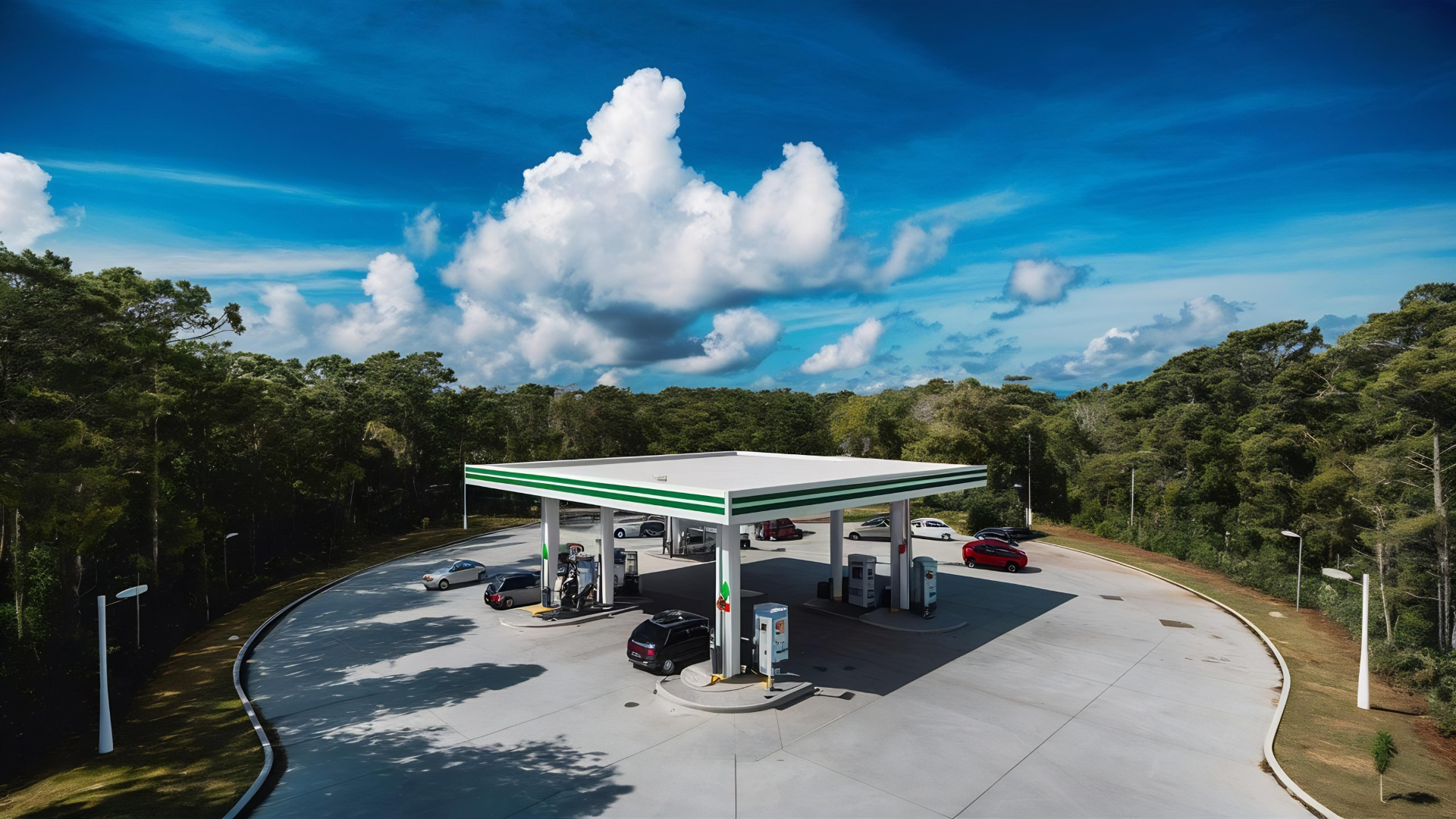
Gasoline storage at gas stations requires strict attention, particularly regarding safety and environmental protection. In the United States, proper fuel storage is not only a legal obligation but also a responsible operational practice that protects soil, groundwater, air quality, and the health of surrounding communities.
For gas station owners and investors, understanding best practices and current U.S. environmental regulations is essential to prevent risks, avoid fines, and eliminate the possibility of operational shutdowns or costly remediation.
In this article, we explain how gasoline should be stored safely, which types of fuel tanks are required, and how strong environmental management can turn your gas station into a benchmark for compliance, sustainability, and operational excellence.
Why Is Environmental Management in Gasoline Storage So Important?
Improper gasoline storage is one of the primary causes of soil and groundwater contamination in the United States. Fuel leaks, seepage, and uncontrolled vapor emissions can result in long‑term environmental damage and expensive cleanup obligations.
Beyond environmental risks, inadequate storage systems significantly increase the chances of fires, explosions, and operational incidents, directly affecting employee safety, customer trust, and business continuity.
For this reason, U.S. environmental regulations are strict. Oversight is enforced by agencies such as the U.S. Environmental Protection Agency (EPA), state environmental protection agencies, and local fire authorities, all of which establish clear standards for gasoline storage to ensure environmental protection and operational safety.
How to Store Gasoline Safely at Gas Stations
To ensure safety and environmental compliance in the U.S., several systems and procedures are mandatory for gasoline storage at fuel stations.
1. Choosing Approved Underground Storage Tanks (USTs)
Gasoline must be stored in EPA‑compliant underground storage tanks (USTs). These tanks are required to be:
- – Double‑walled
- – Made from corrosion‑resistant materials
- – Equipped with secondary containment
Common tank systems include steel tanks with fiberglass reinforcement (STI‑P3) and fully fiberglass composite tanks.
Installation must comply with EPA UST regulations (40 CFR Part 280), as well as applicable state and local codes. Proper installation is critical to prevent leaks, corrosion, and environmental contamination.
2. Leak Detection and Monitoring Systems
Technology plays a vital role in environmental protection. U.S. regulations require continuous leak detection systems, which may include:
- – Interstitial monitoring between tank walls
- – Automatic Tank Gauging (ATG) systems
- – Vapor or groundwater monitoring sensors
These systems must provide real‑time alerts, allowing immediate corrective action before environmental damage occurs.
3. Control of Atmospheric Emissions
Gasoline vapors contain volatile organic compounds (VOCs) that contribute to air pollution and health risks.
To minimize emissions, many U.S. states require Vapor Recovery Systems, especially in high‑traffic or environmentally sensitive areas. These systems control vapor emissions during:
- – Fuel deliveries
- – Vehicle refueling
Effective vapor control improves air quality, reduces fuel loss, and enhances overall site safety.
4. Best Practices During Fuel Delivery
Fuel delivery is one of the highest‑risk operational moments at a gas station. Best practices include:
- – Using licensed and insured fuel transport companies
- – Ensuring proper grounding and bonding during unloading
- – Utilizing spill containment equipment
- – Requiring appropriate personal protective equipment (PPE)
- – Verifying secure hose connections and overfill prevention systems
Following standardized delivery procedures significantly reduces the risk of spills, fires, and environmental incidents.
Environmental Regulations Applicable to Gasoline Storage
Gas station owners in the U.S. must comply with multiple regulatory frameworks, including:
- – EPA Underground Storage Tank (UST) Regulations – 40 CFR Part 280
- – Spill Prevention, Control, and Countermeasure (SPCC) Rule
- – NFPA 30 and NFPA 30A Fire Codes
- – State Environmental and Fire Safety Regulations
Failure to comply may result in fines, forced shutdowns, cleanup costs, and legal liability.
How We Can Help With Environmental Preservation
Effective environmental management begins with proper infrastructure planning and continues through monitoring, maintenance, and regulatory support.
Petrol Group provides complete solutions for U.S. gas stations, including:
- – Environmental compliance assessments
- – UST system design and upgrades
- – Leak detection and containment systems
- – Regulatory guidance and permitting support
- – Risk monitoring and operational audits
With these solutions, your gas station will remain compliant while building a strong reputation for environmental responsibility.
Protect the Environment and Strengthen Your Business
Environmental preservation in gasoline storage goes beyond compliance — it protects your investment, your community, and your brand.
Gas stations that invest in compliant storage systems reduce risk, avoid operational disruptions, and increase long‑term asset value.
If you are looking to modernize your fuel storage infrastructure or need expert guidance to meet U.S. environmental requirements, contact our team. We are ready to deliver reliable, compliant, and sustainable solutions.
With Petrol Group, everything your gas station needs is in one place.