




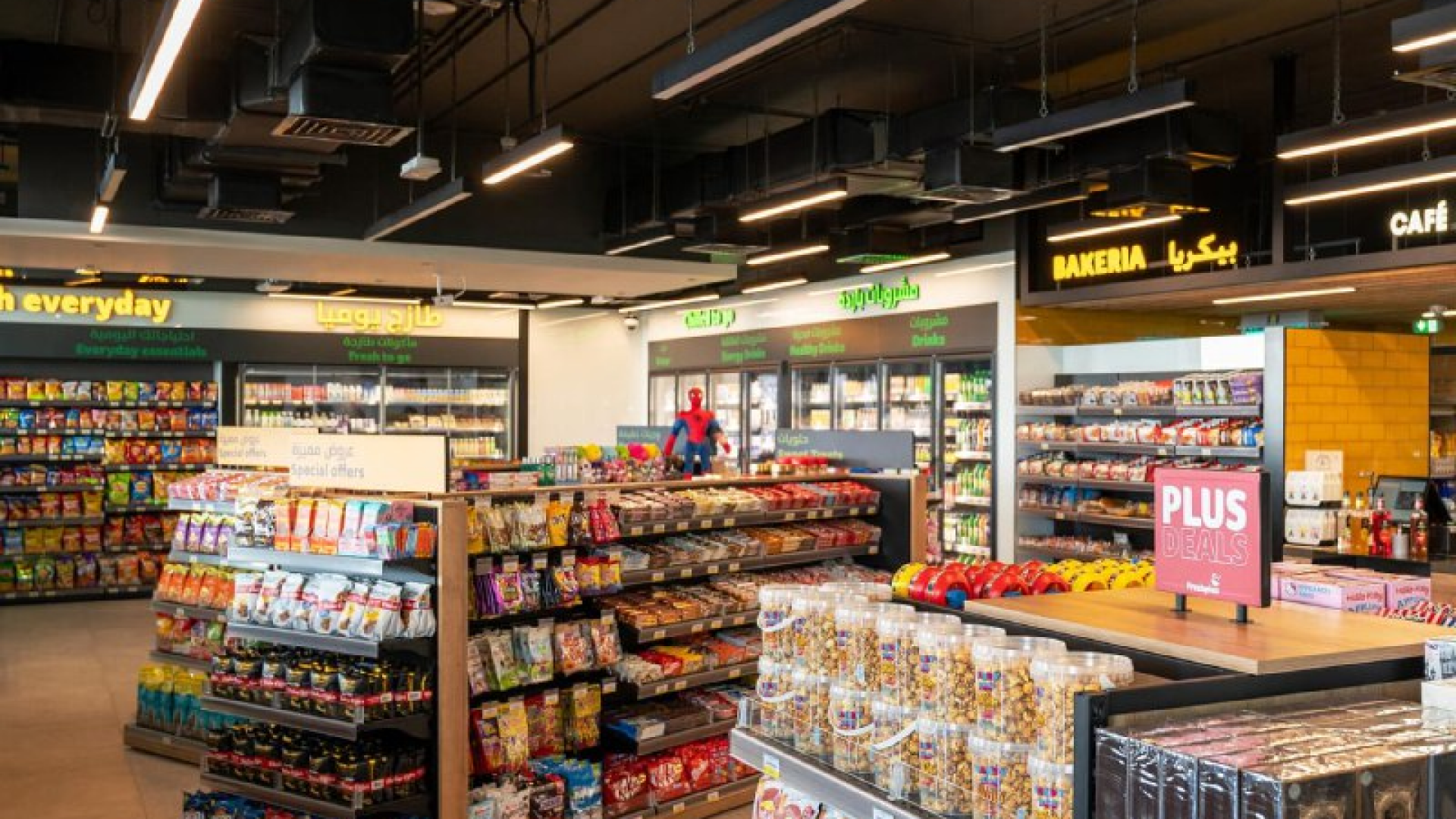
A modern convenience store is no longer just an add‑on to a gas station. Instead, it has become a primary revenue driver.
Today, with the right strategy, even a small-format convenience store can generate strong margins and consistent cash flow. That happens because customers no longer stop only for fuel. They expect speed, comfort, and curated product variety — all in one place.
Therefore, transforming your convenience space into a high-performing retail environment is not optional. It is a competitive necessity.
In this article, you’ll learn how to maximize layout efficiency, optimize product mix, and structure your store to increase ticket size and long-term profitability.
Why Modern Convenience Stores Drive Higher Margins
Consumer behavior in the U.S. has shifted significantly. Drivers now seek more than refueling — they want a fast, frictionless retail experience.
As a result:
- – Dwell time increases
- – Impulse purchases rise
- – Average ticket grows
- – Brand loyalty strengthens
Moreover, industry benchmarks consistently show that inside sales often deliver higher margins than fuel. While fuel attracts traffic, the convenience store captures profitability.
In other words, fuel brings customers in. Retail keeps them profitable.
The Profit Formula: From Space to Revenue
A well-designed convenience store follows a clear value chain:
- – Smart Layout → Better Flow → Longer Browsing → Higher Impulse Buys → Increased Ticket → Stronger Margins
Therefore, every square foot must serve a strategic purpose.
How to Optimize a Small Convenience Store
When space is limited, strategy becomes even more important. However, with intelligent design, compact stores can outperform larger, poorly organized locations.
1. Smart Layout Planning
- First, prioritize vertical shelving to maximize wall utilization.
- Additionally, use modular fixtures to maintain flexibility.
- At the same time, design short but guided aisles that naturally lead customers toward high-margin products.
As a result, circulation improves and sales density increases.
2. Strategic Lighting
Lighting directly influences perception and purchasing behavior.
For example:
- – Accent lighting increases visibility of promotional items
- – Warm lighting improves comfort perception
- – Bright beverage coolers boost cold drink sales
Consequently, lighting is not decorative — it is commercial strategy.
3. High-Impact Impulse Zones
Impulse purchases significantly increase ticket size.
Therefore, position:
- – Candy and snacks near checkout
- – Cold beverages along high-traffic paths
- – Limited-time offers at eye level
Because decisions inside convenience stores are fast, visibility drives volume.
4. Clean Branding and Visual Consistency
A cluttered store reduces perceived value.
On the other hand, a clean and modern visual identity reinforces trust and professionalism.
Thus, consistency between forecourt and retail area strengthens brand perception and improves customer retention.
Product Mix: The Core of High Performance
A profitable convenience store starts with understanding your customer base.
Instead of stocking everything, focus on high-turn, high-margin categories.
Recommended Core Categories (U.S. Market)
- – Cold beverages and specialty coffee
- – Grab-and-go snacks and sandwiches
- – Automotive essentials (oil, fluids, air fresheners)
- – Emergency items (phone chargers, batteries)
- – Seasonal products (ice melt, sunscreen, umbrellas)
When inventory is aligned with demand, turnover accelerates and working capital improves.
Revenue Optimization by Category
| Category | Margin Potential | Strategic Role |
|---|---|---|
| Cold Beverages | High | Impulse & frequency driver |
| Fresh Coffee | Very High | Daily traffic builder |
| Snacks | High | Ticket booster |
| Automotive | Medium | Convenience positioning |
| Seasonal | High | Short-term margin spikes |
As shown above, a balanced mix stabilizes revenue while increasing profitability.
Functional Design: Where Aesthetics Meet Sales Strategy
A modern convenience store must be both attractive and engineered for performance.
To achieve this, design must include:
- – Clear circulation paths that prevent congestion
- – Dedicated zones for premium products
- – Visual integration with the gas station canopy and signage
- – Durable, easy-maintenance materials
Consequently, design becomes an operational asset rather than an expense.
Marketing and Visibility: Turning Traffic Into Transactions
Even a well-designed store needs strategic promotion.
Effective actions include:
- – Fuel-and-snack combo offers
- – Loyalty programs integrated with pump transactions
- – Digital promotions via social media
- – Exterior signage visible from the roadway
Because most customers decide quickly, communication must be clear and immediate.
From Convenience Store to Profit Center
When layout, product mix, lighting, branding, and marketing work together, the convenience store evolves. Instead of functioning as a secondary add-on, it becomes a standalone profit center. Moreover, as fuel margins fluctuate, retail sales provide stability and margin protection. In competitive markets, that stability is a decisive advantage.
Increase Profit Per Square Foot
The success of a modern convenience store depends on one principle: maximizing revenue density. With proper planning and disciplined execution, even small spaces can outperform expectations. Therefore, investing in design, strategy, and operational structure is not optional — it is a growth decision.
Speak With a Gas Station Design and Strategy Specialist
The Petrol Group integrates architecture, branding, and commercial strategy to transform space into measurable performance.
If you want to modernize your gas station, increase inside sales, and build a stronger retail presence, speak with our team and discover how to structure a profitable, scalable convenience model tailored to the U.S. market.
With Petrol Group, you have everything your gas station needs in one place.