




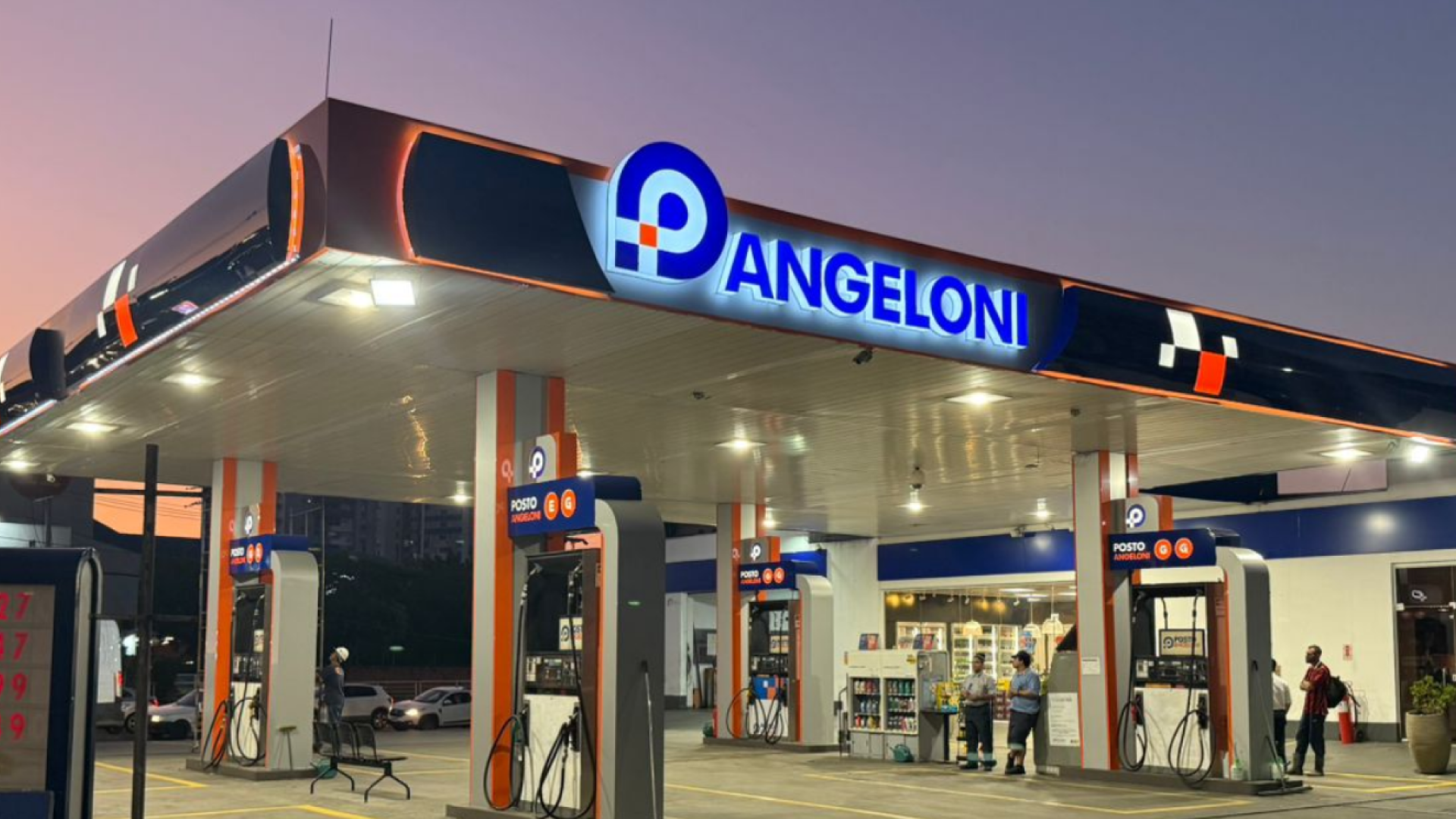
ACP — Aluminium Composite Panel — is the industry standard material for gas station facades, canopy fascias, column cladding and pump communicators. It combines durability, weather resistance and visual precision that no other material matches for the specific demands of a fuel station environment. The Petrol Group team specifies ACP for gas stations across 16 countries — here is what you need to know.
ACP construction and types
ACP consists of two aluminium sheets bonded to a polyethylene or mineral core. The key variables are: Total thickness (most common: 3mm, 4mm, 5mm, 6mm); Aluminium skin thickness (standard: 0.3mm per side; premium: 0.5mm); Core type (standard PE core vs fire-resistant mineral core — specify mineral core for any enclosed spaces); Coating type (polyester = 5-8 years exterior life; Kynar/PVDF = 15-20+ years).
Kynar vs polyester ACP: why the difference matters
Kynar (PVDF — polyvinylidene fluoride) coating is the only coating that maintains color stability under prolonged UV exposure. Polyester-coated ACP starts chalking and fading within 3-5 years outdoors — acceptable for temporary applications, not for a gas station canopy that should last 15 years. For any permanent gas station application, specify Kynar/PVDF coating minimum 70% PVDF content.
ACP application guide by gas station element
| Element | Recommended thickness | Coating | Note |
|---|---|---|---|
| Canopy fascia | 4mm | Kynar | Main brand color carrier |
| Column cladding | 5-6mm | Kynar | Impact protection required |
| Pump communicators | 3mm | Kynar or polyester | Lower height, less UV |
| Convenience store facade | 4mm | Kynar | Match canopy specification |
| Oil cabinet panels | 3mm | Polyester acceptable | Partially sheltered |
Installation: the most common mistakes
The most common ACP installation failures at gas stations: Through-bolt fixing — direct bolts through the panel create water ingress points that corrode the aluminium and the structure behind it. Use extruded aluminium profile systems (cassette system) for proper thermal expansion allowance. Wrong sealant — silicone must be neutral-cure (not acetic acid type) to avoid ACP surface damage. Insufficient gap at joints — minimum 8-10mm joint width to accommodate thermal expansion without buckling.
FAQ: ACP for gas stations
Is ACP fire-resistant?
Standard ACP with PE core is combustible. For enclosed spaces, overhead cladding, or locations where local fire codes require it, specify mineral core ACP (also called FR or fire-rated core). Always check local building codes before specifying.
Can ACP be repainted or repaired on-site?
Yes, with appropriate coatings. Kynar ACP can be repainted with PVDF-compatible topcoat. However, on-site painting rarely matches factory finish — for brand-critical elements, panel replacement is the correct solution.
See also our complete guide to gas station canopy signage — which covers ACP application for fascia panels in detail, including color matching and brand compliance.