




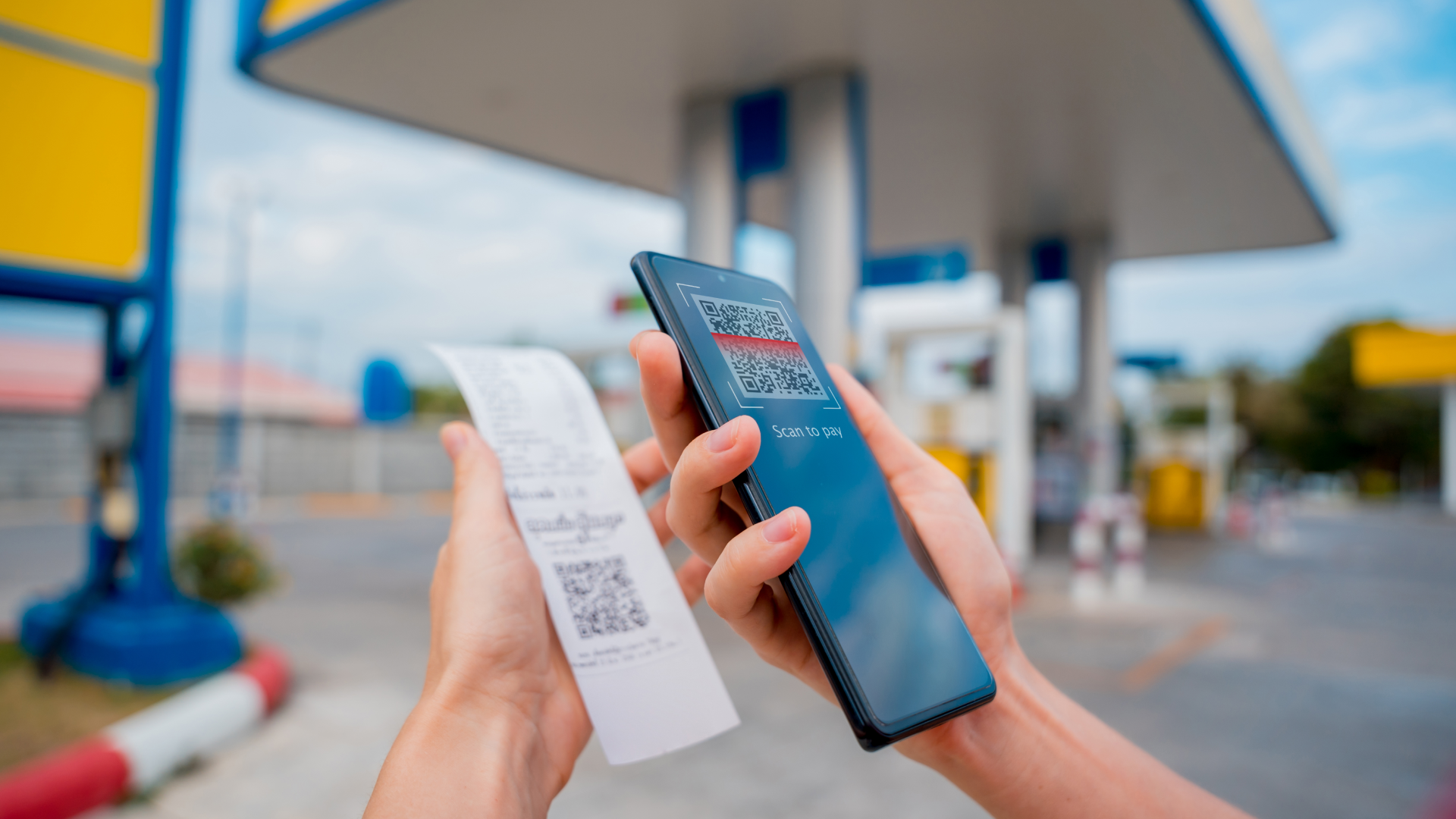
A loyalty program is the most effective retention tool in retail — and the gas station has a unique advantage: customers already come back on a recurring, predictable basis. The challenge is not creating loyalty, it is capturing it. Without a program, the loyal customer does not know they are loyal — and neither do you. With a program, you have data, you have a relationship and you have a reason for the customer not to cross the street to your competitor.
Loyalty program models for gas stations
Points per volume fueled — the most common: X points per gallon, redeemable for a discount on the next fill-up or on convenience store items. Cashback — a percentage of the amount spent returned as credit in the app account. Monthly discount club — a fixed monthly fee earns a guaranteed per-gallon discount on every fill-up during the month. Third-party partnerships — points valid at other local businesses (bakery, pharmacy, car wash).
Technology you need
For a loyalty program to work, the minimum is: a station management/POS system with a CRM or loyalty module (or a third-party fuel loyalty platform), an app or physical loyalty card for the customer, a point-lookup option at the register, and integration with the POS so that every fill-up is recorded automatically. Cost ranges from a simple physical-card solution to a custom app with QR codes. For most stations, the middle option (management software + card or QR code) is the best cost-benefit.
How to promote the loyalty program
The best loyalty program is worth nothing if customers do not know it exists. Communication needs to be on: pump toppers (the customer sees them while fueling), the convenience store counter, the pylon sign and the station facade, social media and messaging apps (WhatsApp Business or text messaging). The attendant or cashier is the main salesperson for the program — every fill-up is a chance to sign someone up.
Frequently asked questions about gas station loyalty programs
What return should I expect from a loyalty program?
In Brazil, stations with an active program report an 18–25% increase in visit frequency among enrolled customers, and volume per loyal customer is 31% higher than for customers who are not enrolled (SINDICOM 2024 data).
Do I need to worry about privacy laws?
Yes. Collecting customer data (email, phone number, purchase history) calls for clear consent and a privacy policy, and U.S. state privacy laws (such as California’s CCPA) may apply depending on where you operate. A privacy attorney can structure the program properly.
See also our article on gas station loyalty programs — with an analysis of what customers value most and how to implement each step.