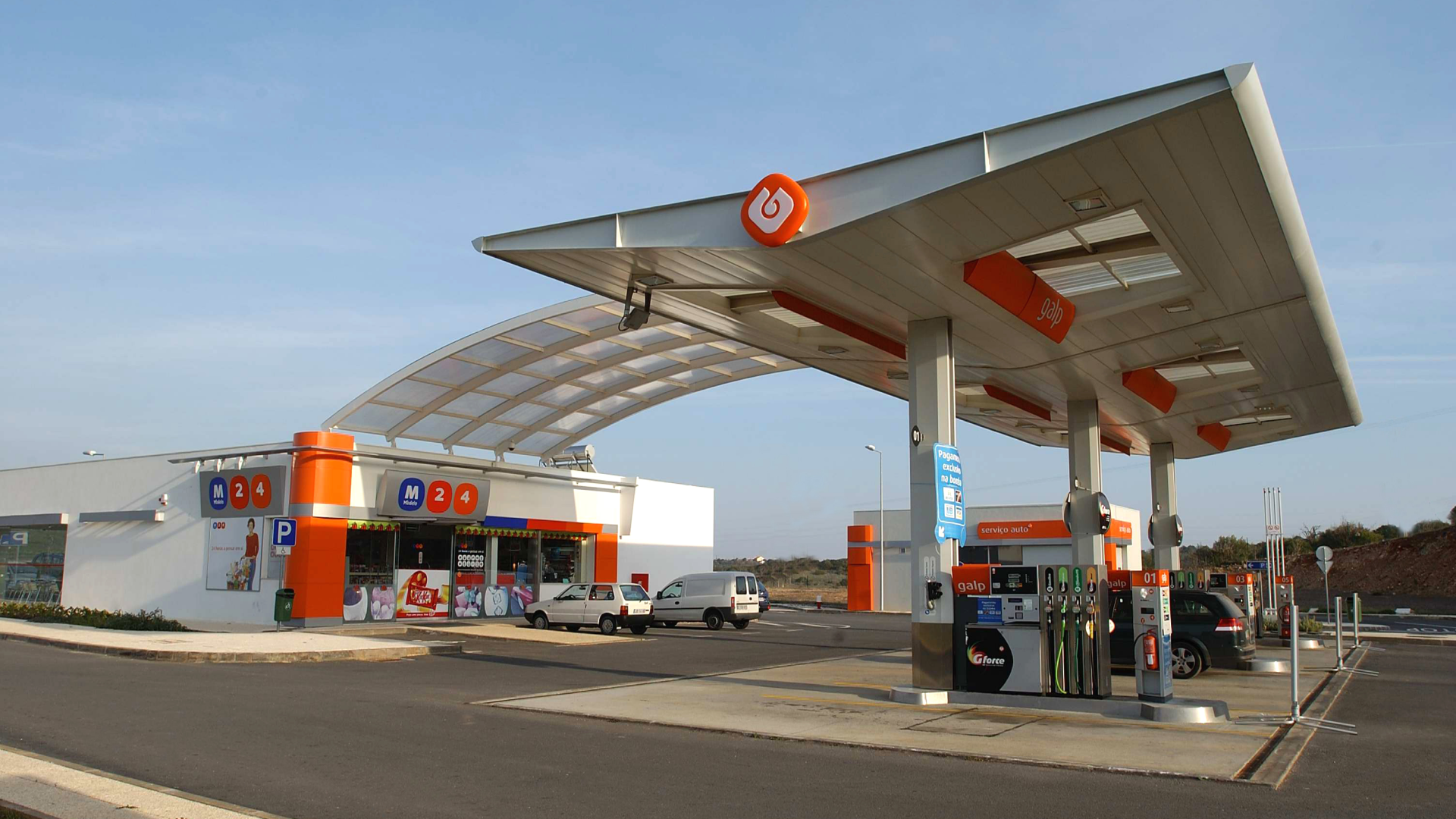



The difference between a gas station that runs smoothly and one that is constantly putting out fires is documented operational procedures. Not complex — just documented, followed and audited. The Petrol Group team has designed and implemented operational frameworks for stations across 16 countries. Here is the checklist that works.
Daily operations checklist
Opening procedures (first shift): fuel level measurement in all tanks (before any delivery or sales — mandatory for inventory control), pump calibration check (test each nozzle with certified measure), cash register count and cash fund verification, forecourt lighting and signage check (all LED panels on and functioning), convenience store temperature check (refrigerators at 1-4°C, frozen at -18°C), restroom inspection and restocking, safety equipment check (fire extinguishers visible and within validity). During operation: fuel delivery receipt — verify quantity against invoice and record in fuel movement log (LMC), spill response readiness (absorbent material stocked at each island), dispenser filter inspection (replace if pressure drop detected). Closing procedures: final tank measurement and reconciliation with sales data, cash count and safe deposit, CFTV recording confirmation, alarm system activation.
Weekly procedures
Fuel quality testing (visual and hydrometer check for ethanol content in gasoline), sump pit inspection (check for water accumulation — drain if needed), electrical panel inspection (breakers, connections, no signs of overheating), forecourt drain cleaning (prevent fuel residue buildup in oil/water separator), pump nozzle inspection (check for wear, leaks, automatic shutoff function), fire extinguisher visual inspection (pressure gauge, no physical damage), staff training review (15-minute briefing on safety procedures).
Monthly procedures
Complete inventory reconciliation (theoretical vs physical — any gap above 0.3% requires investigation), pump accuracy test with certified measure (document and report to weights and measures authority), environmental monitoring (visual inspection of any potential spill areas, groundwater if monitoring wells exist), ANP compliance review (check all required documentation is current — RF license, AF, environmental license), employee certifications review (NR-20 safety training validity), convenience store full audit (expiration dates, HACCP if selling food).
The documentation that regulators check
Brazilian ANP inspectors and environmental agencies will ask for: fuel movement log (LMC/Livro de Movimentação de Combustíveis) — must be maintained daily; pump calibration certificates (last 12 months minimum); hazard assessment map (PPRA/PGR — updated annually); environmental license (Licença de Operação — check expiration date); ANP authorization to operate (Autorização de Funcionamento).
FAQ: gas station operations
What is the LMC and is it legally required?
The LMC (Livro de Movimentação de Combustíveis) is the daily fuel movement log — required by ANP Resolution 41/2013. It records every tank delivery and every pump reading. Operating without a current LMC is a direct violation with automatic fine.
How often must pumps be re-calibrated?
By Brazilian law (INMETRO regulation): every 12 months for all commercial pumps. After any maintenance that involves pump internals, re-calibration is required before returning to service.
See also: 10 tips for managing your fuel station — the strategic complement to this operational checklist.