


Unbranded vs Branded Gas Stations: Which Model Is More Profitable?
Choosing between an unbranded gas station (independent) and a branded gas station directly impacts profit margins, operating costs, commercial autonomy, and long‑term asset valuation. However, this decision goes far beyond fuel price or brand strength — it depends on strategy, market profile, and long‑term vision.
For fuel retail investors and operators, this is one of the most strategic decisions in the business. It influences fuel acquisition costs, pricing flexibility, promotional freedom, visual identity, operational profitability, and the station’s ability to appreciate as a commercial asset over time.
Based on real projects analyzed by Petrol Group, one conclusion is clear: there is no universal answer. Instead, there is a right model for the right context. Highly profitable stations can operate successfully as either unbranded or branded — as long as the choice aligns with traffic patterns, competition, commercial strategy, and cost structure.
This technical guide consolidates historical analysis, practical comparisons, and real performance indicators to provide a clear framework for deciding which model generates more value for your gas station.
👉 https://petrolgroup.pro/
Technical Context: What Defines an Unbranded or Branded Gas Station?
What Is an Unbranded Gas Station?
An unbranded gas station operates without an exclusive supply contract with a specific fuel distributor. This model offers full autonomy, allowing operators to:
- – Purchase fuel from multiple suppliers, optimizing cost and quality
- – Adjust pricing quickly based on local market conditions
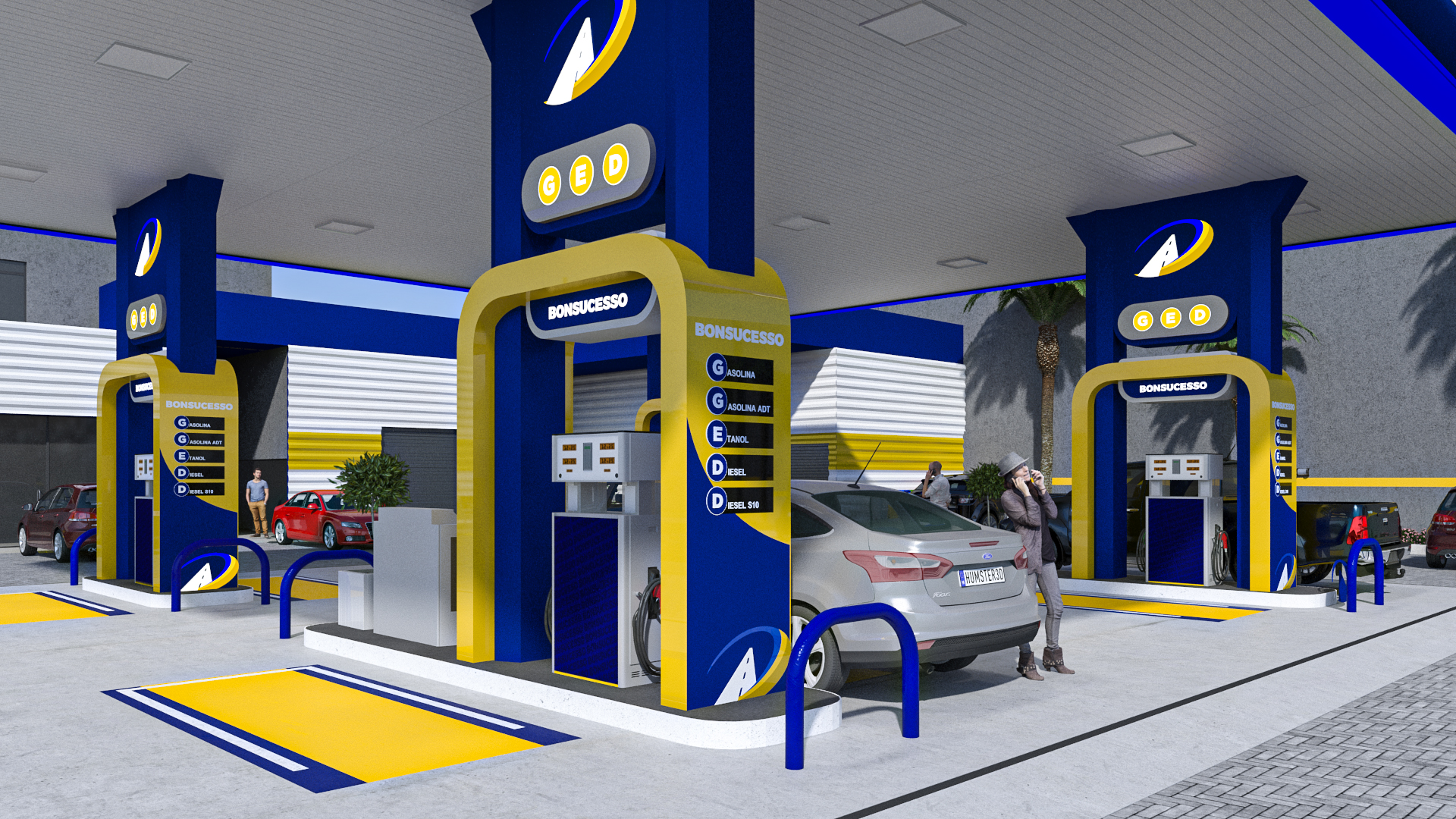
- – Build a proprietary brand and visual identity
- – Define independent commercial strategies, promotions, and loyalty programs
What Is a Branded Gas Station?
A branded station operates under an exclusive agreement with a fuel distributor (such as Shell, BP, Ipiranga, or similar). This model typically includes:
- – Exclusive fuel supply from the distributor
- – Standardized visual identity and operational guidelines
- – Brand marketing support and loyalty programs
- – Reduced commercial autonomy, as pricing and promotions are often aligned with the brand
The Core Difference
The fundamental distinction is not just the brand itself, but the business model.
Unbranded stations prioritize autonomy, flexibility, and proprietary brand building, while branded stations offer immediate brand recognition, distributor support, and operational standardization.
The Evolution of Unbranded Gas Stations
Unbranded gas stations emerged as an alternative to distributor concentration, particularly after fuel market liberalization, which expanded opportunities for independent operators.
Initially perceived as low‑standard or less reliable, unbranded stations have evolved significantly and today often feature:
- – Strong proprietary branding and visual identity
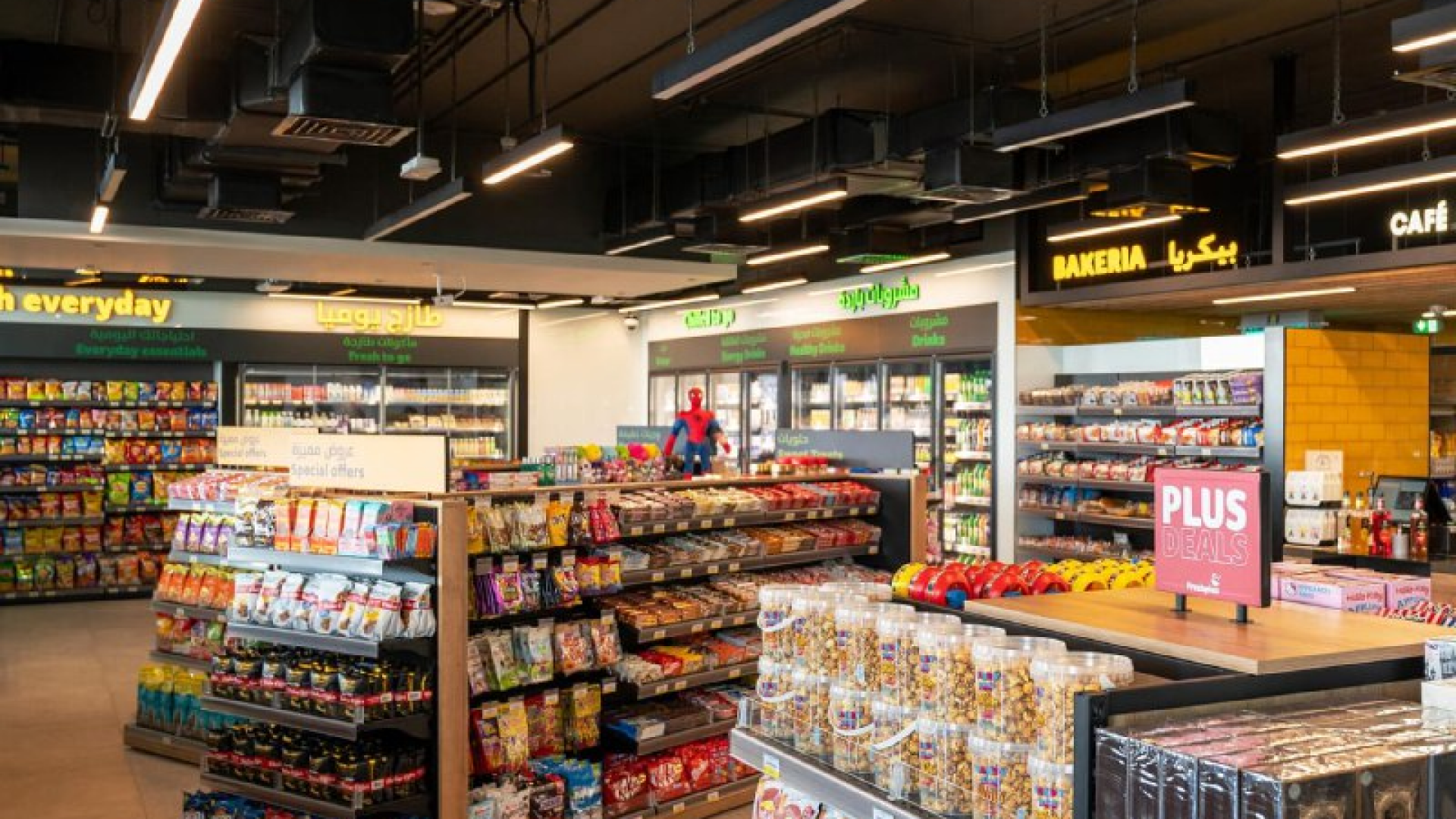
- – Modern layouts with robust convenience retail
- – Strategic supplier and pricing management, enabling superior margins
Many unbranded stations now outperform branded competitors in:
- – Profitability, due to flexible fuel sourcing
- – Operational agility, allowing rapid market adaptation
- – Market responsiveness, adjusting quickly to consumer trends and competition
With professional management, consistent branding, and strategic planning, independence becomes a sustainable competitive advantage.
Strategic Comparison: Unbranded vs Branded Gas Stations
The decision between unbranded and branded models directly affects commercial freedom, margins, brand perception, and asset valuation.
1. Commercial Freedom
- – Unbranded: Full pricing, supplier, and promotional autonomy
- – Branded: Pricing and policies largely defined by the distributor
2. Costs and Margins
- – Unbranded: Higher margin potential through supplier negotiation
- – Branded: Typically lower margins, partially offset by incentives and volume
3. Brand and Perception
- – Unbranded: Reputation depends on visual identity, experience, and communication
- – Branded: Immediate trust from a nationally recognized brand
4. Initial Investment
- – Unbranded: Lower setup costs, no mandatory brand standards
- – Branded: Higher investment due to visual standards, infrastructure upgrades, and contractual fees
5. Asset Valuation
- – Both models can generate strong asset appreciation when well‑structured, efficiently operated, and strategically positioned
In summary, unbranded stations offer autonomy and margin potential, while branded stations deliver immediate recognition and structured support. The ideal choice depends on investor profile, location, traffic, and long‑term objectives.
Technical Comparison Table
| Criteria | Unbranded Station | Branded Station |
|---|---|---|
| Fuel purchasing freedom | High | Low |
| Margin potential | Higher | Lower |
| Fixed operating costs | Lower | Higher |
| Marketing support | Proprietary | Distributor‑provided |
| Strategic autonomy | Full | Limited |
| Asset valuation | High (if well designed) | High (if well located) |
Pros and Cons of Unbranded Gas Stations
Advantages
- – Higher potential profit margins
- – Full pricing and supplier flexibility
- – Ability to build a strong proprietary brand
- – Fast adaptation to local market conditions
Challenges
- – Requires professional management
- – Strong dependence on visual identity and customer experience
- – No automatic benefit from national brand recognition
Unbranded stations are ideal for operators seeking autonomy and higher margins, provided they are prepared to manage branding and operations at a professional level.
Pros and Cons of Branded Gas Stations
Advantages
- – Immediate consumer trust and recognition
- – Established loyalty programs
- – Technical, operational, and marketing support
Challenges
- – Rigid contracts
- – Lower margins per liter
- – Reduced strategic flexibility
Branded stations suit operators who value consistency, recognition, and structured support, even at the cost of reduced autonomy.
Common Mistakes When Choosing a Gas Station Model
- – Deciding based solely on fuel price
- – Ignoring traffic profile and local competition
- – Believing brand alone guarantees sales
- – Underestimating the impact of visual identity and layout
- – Failing to analyze total branded contract costs
Choosing based only on price or brand reputation is risky. A strategic, data‑driven evaluation is essential to ensure profitability and long‑term asset appreciation.
Frequently Asked Questions
Do unbranded stations sell less fuel?
Not necessarily. With strong branding, professional management, and effective commercial strategies, unbranded stations can match or exceed branded competitors.
Are branded stations safer or more reliable?
Operational safety and fuel quality depend on management, maintenance, and compliance — not brand alone.
Can a station switch models later?
Yes, but it involves contractual costs, infrastructure adjustments, and strategic repositioning.
Which model is better for investors?
There is no universal answer. The best choice depends on location, competition, capital structure, and long‑term strategy.
Strategic Consulting: When Petrol Group Makes the Difference
Choosing between unbranded and branded models should never be intuitive — it must be technical, strategic, and data‑driven.
Petrol Group analyzes:
- – Real traffic and customer profile
- – Competitive landscape
- – Cost structure and margin potential
- – Proprietary brand feasibility
- – Long‑term asset valuation
This approach transforms the choice of gas station model into a measurable competitive advantage.
🚀 Don’t choose a brand. Choose a strategy.
Request a Strategic Gas Station Model Diagnosis and discover which option delivers higher margins, greater control, and stronger asset value.
With Petrol Group, everything your gas station needs is in one place.