


Gas Station Canopy: Safety, Efficiency, Brand Impact, and Asset Value
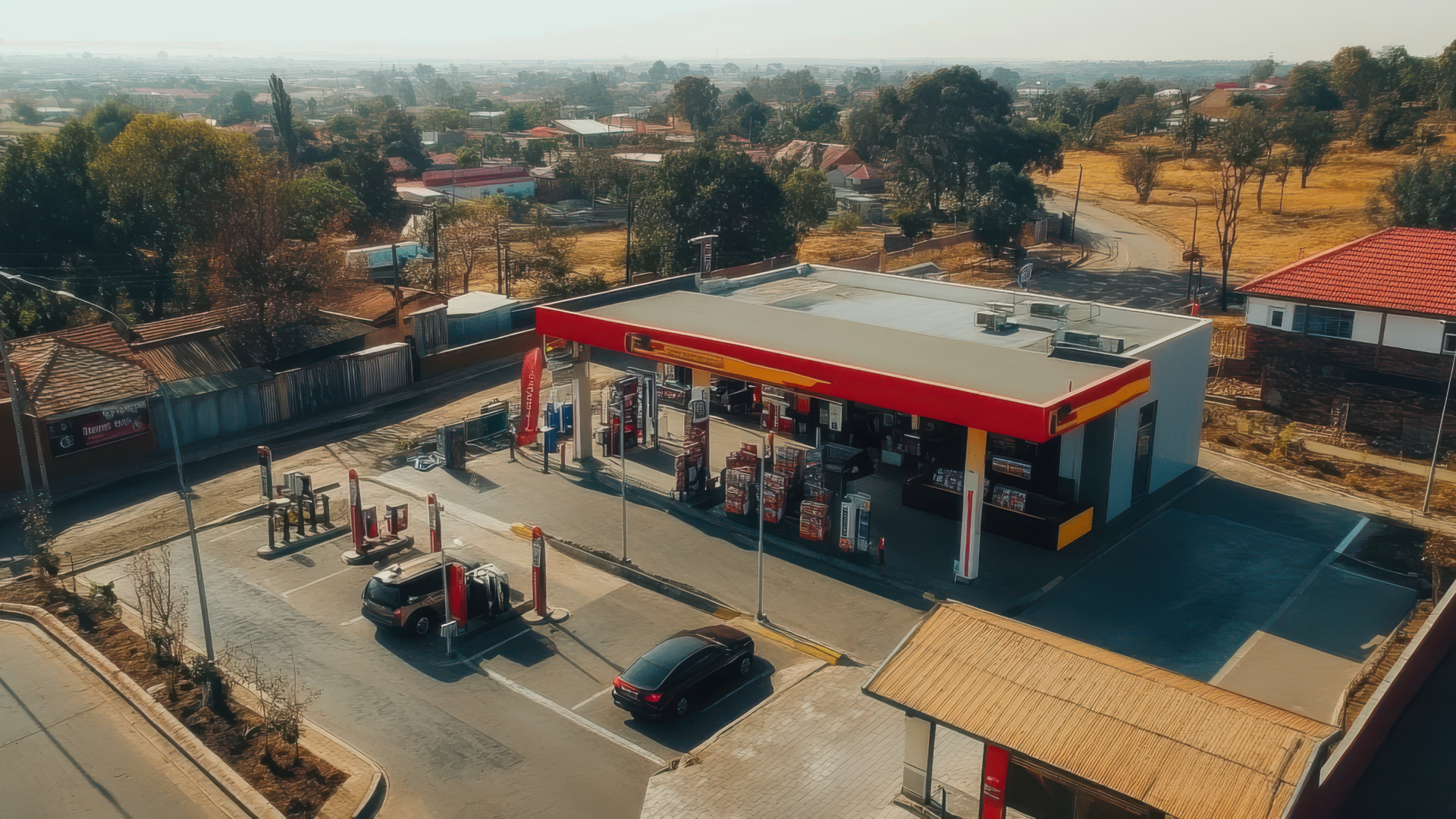
The gas station canopy plays a critical role in the safety, comfort, and operational efficiency of a fuel station. More than just protection from sun and rain, the canopy directly impacts daily operations, extends the lifespan of equipment, improves traffic flow, and strengthens the station’s brand presence.
For gas station owners and investors, the canopy should never be treated as a secondary element. A well-designed canopy is a strategic asset that enhances customer experience, supports regulatory compliance, and increases the long-term value of the property.
Below, we explain how to plan an efficient gas station canopy, considering technical requirements, safety standards, and visual identity.
Why Invest in a Gas Station Canopy?
Before discussing design details, it is essential to understand why the canopy is a core component of a successful fuel station. Its primary functions include:
- – Protecting customers and vehicles from weather conditions
- – Preserving fueling equipment, including pumps and electronic displays
- – Organizing vehicle circulation and improving on-site safety
- – Enhancing brand visibility and curb appeal
In addition, a properly designed canopy reduces maintenance costs and significantly increases the durability of the station’s infrastructure.
Key Factors When Planning a Gas Station Canopy
To ensure the canopy delivers maximum performance, several technical and strategic aspects must be addressed during the design phase.
Proper Dimensions and Clearance Height
The canopy must fully cover all fueling positions while allowing smooth vehicle circulation. Adequate clearance height is critical, especially for stations serving delivery trucks, RVs, buses, or commercial vehicles.
In the U.S. market, canopy height must comply with local building codes and fire safety regulations, while also accommodating the tallest vehicles expected on-site. Proper height improves safety, operational efficiency, and customer confidence.
Material Selection and Metal Finishes
Metal structures such as galvanized steel, aluminum systems, and ACM (Aluminum Composite Material) panels are widely used in modern gas station canopies. These materials offer:
- – High resistance to corrosion and weather exposure
- – Long service life with low maintenance requirements
- – A clean, modern aesthetic that reinforces brand positioning
Beyond durability, premium finishes elevate the station’s appearance and contribute directly to perceived quality and property value.
Integrated and Efficient Lighting
Lighting is a critical safety and operational element of any gas station canopy. Integrated LED lighting systems provide uniform illumination across fueling areas, ensuring visibility during nighttime and low‑light conditions.
Benefits include:
- – Improved safety for customers and staff
- – Better visibility for vehicle circulation
- – Lower energy consumption and operating costs
LED systems also support sustainability goals while delivering consistent performance over time.
Canopy Design and Underground Fuel Tank Integration
A frequently overlooked — yet essential — aspect is the relationship between the canopy structure and the underground fuel storage tanks (USTs).
The canopy design must ensure:
- – Safe access for fuel deliveries and tanker operations
- – Proper ventilation to prevent the accumulation of flammable vapors
- – Adequate clearance for maintenance and inspections
Correct coordination between canopy design and fuel storage systems is essential to meet environmental, fire, and safety regulations in the United States.
How the Canopy Strengthens Brand Identity
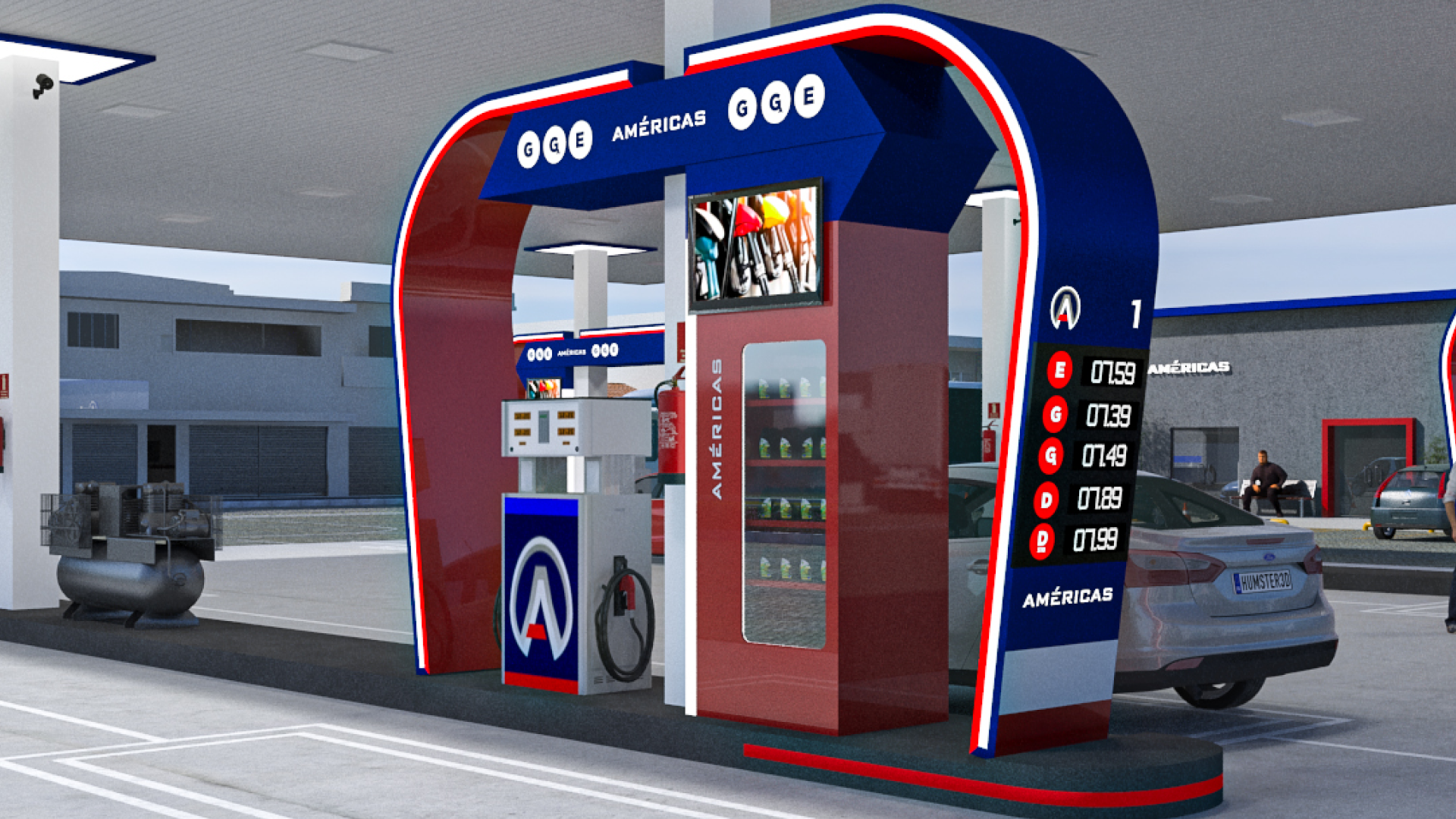
Beyond functionality, the canopy is one of the most visible architectural elements of a gas station. It plays a central role in brand communication and roadside recognition.
With the right design approach, the canopy can incorporate:
- – Brand colors and architectural language
- – Logos and illuminated signage
- – Clean lines and modern forms that stand out on the roadway
A visually strong canopy improves customer perception, increases stop rates, and reinforces the station’s positioning within a competitive market.
Frequently Asked Questions
What is the typical height of a gas station canopy in the U.S.?
Canopy height usually ranges from 15 to 20 feet (4.5 m to 6 m), depending on vehicle types served and local code requirements.
Is owning a gas station a good investment?
Yes, when well located and professionally managed. While fuel margins are tight, profitability is driven by convenience retail, services, operational efficiency, and asset appreciation.
What are the main components of a gas station?
A gas station typically includes fueling islands and canopy, underground fuel tanks, price signage, convenience store, restrooms, parking, service areas, safety systems, drainage, and automation infrastructure.
Why Work With a Specialized Gas Station Consultant?
Designing a gas station canopy requires expertise that goes beyond architecture alone. A specialized partner helps ensure that the project:
- – Meets local, state, and federal regulations (building codes, fire codes, environmental rules)
- – Uses cost‑effective, durable materials
- – Delivers operational safety and long‑term efficiency
- – Integrates seamlessly with pumps, tanks, signage, and site layout
Professional planning prevents costly redesigns, construction delays, and compliance issues — while maximizing return on investment.
Turning the Canopy Into a Competitive Advantage
An efficient gas station canopy combines weather protection, operational safety, vehicle flow optimization, and strong visual identity. When designed strategically, it improves customer experience, protects critical equipment, and increases the overall value of the property.
For owners and investors, the canopy is not an expense — it is an investment in performance, compliance, and asset appreciation.
At Petrol Visual, we develop gas station canopies as part of an integrated performance strategy, combining site analysis, traffic flow studies, architectural design, visual identity, and technical validation.
🚀 Want to turn your gas station canopy into a high‑performance asset?
Request a Technical Canopy & Site Design Assessment and discover how to increase safety, efficiency, and long‑term value with a data‑driven approach.
With Petrol Group, your gas station project is planned, built, and positioned for performance.