


Gas Station Facades: The Definitive Guide to Attract More Customers, Increase Sales, and Enhance Asset Value
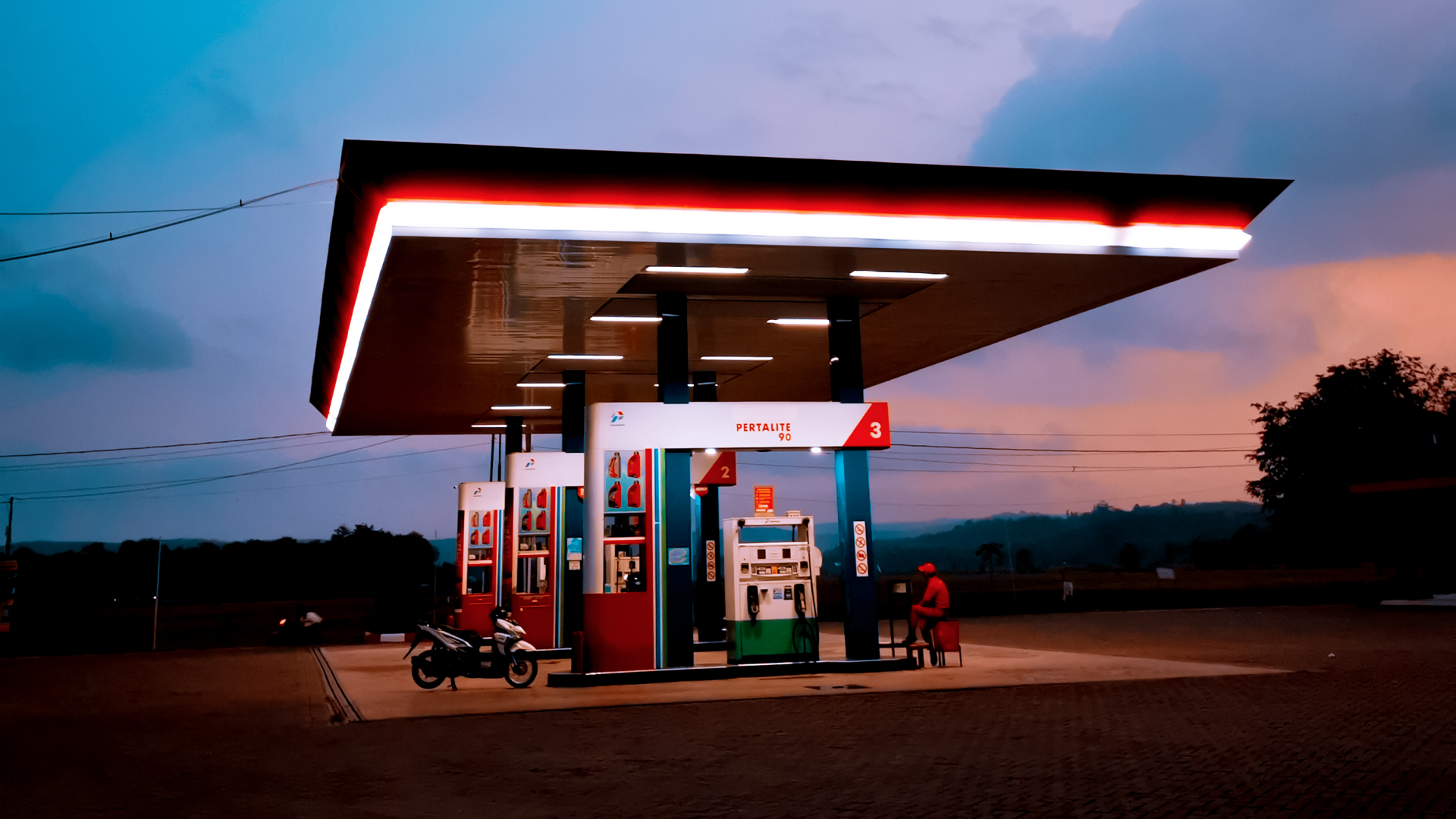
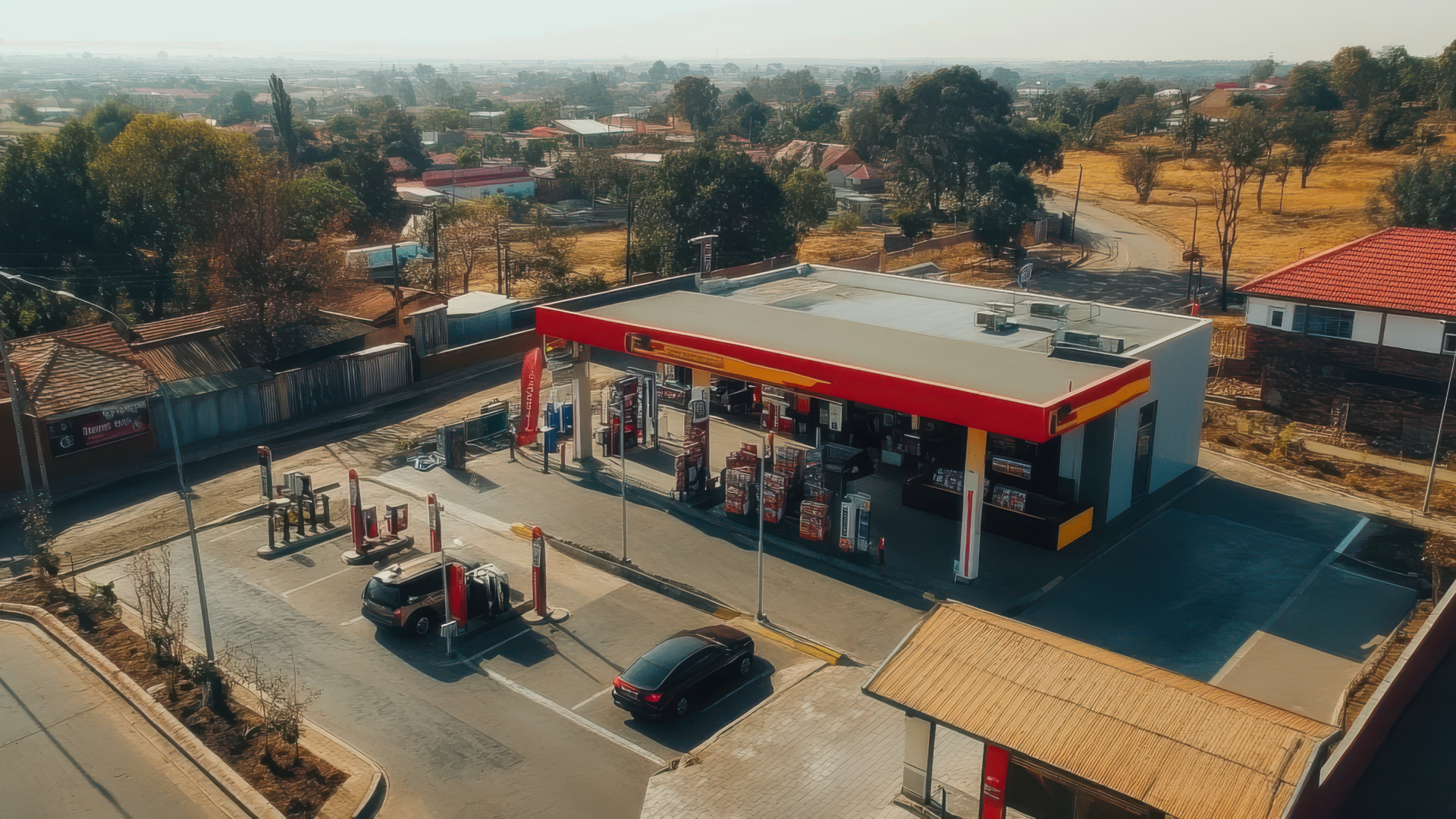
Gas station facades are, without question, strategic elements of architecture, visual identity, and communication. They directly determine visibility, attractiveness, and conversion power. A well‑designed facade increases vehicle flow, strengthens the brand, improves perceived value, and directly impacts revenue and asset valuation.
In practice, this impact occurs at the very first real point of contact between the station and the customer. Even before price signage, service quality, or fuel performance, the driver makes a decision in just a few seconds — often while moving, under fast visual stimuli and at high speed. In this context, the facade does not merely communicate; it determines whether the station is noticed or ignored.
In a highly competitive market where the core product is essentially the same, the facade stops being a purely architectural feature and becomes a strategic commercial asset. Stations with well‑designed facades consistently show higher entry rates, better operational turnover, stronger quality perception, and the ability to stand out even without a traditional fuel brand.
More than that, an effective facade integrates design, materials, lighting, proportion, legibility, and visual positioning, transforming it into a direct tool for attraction, conversion, and long‑term asset appreciation.
This definitive guide on gas station facades brings together technical, strategic, and commercial criteria to help you turn your station’s facade into an active driver of sales, differentiation, and brand strength.
📌 This content is part of the complete gas station visual strategy, covered in depth in our main guide:
👉 https://petrolgroup.pro/visual/
The Role of the Facade in Commercial Performance
A gas station facade should never be treated as a decorative element. In reality, it directly affects critical business performance indicators and influences consumer decisions before the customer even enters the forecourt.
In practice, the facade objectively impacts:
- – Spontaneous vehicle flow, attracting or discouraging drivers in motion
- – Entry conversion rate, determining how many vehicles turn attention into visits
- – Price and quality perception, even before reading price totems or pumps
- – Convenience store conversion, by conveying organization, safety, and operational standards
- – Real estate value and investor appeal, positioning the station as a modern, well‑managed asset
Stations with modern, well‑lit facades that are visually aligned with their brand consistently outperform competitors. In highly competitive areas, visual differentiation becomes one of the strongest decision drivers.
Technical Elements of a High‑Performance Facade
A strategic gas station facade results from the integration of architecture, design, and visual communication. Each component must fulfill a clear role within a cohesive system, ensuring fast readability, aesthetic consistency, and commercial performance.
Canopy (Marquee)
The canopy is the main architectural volume visible from a distance and defines the station’s presence in the urban or highway landscape.
- – Dominant structural element in the visual composition
- – Must clearly reinforce brand identity
- – Provides proper lighting, weather protection, and day‑and‑night visibility
- – Strongly influences perceived modernity, organization, and operational quality
Signage and Logo
The signage is the focal point of brand recognition.
- – High legibility at medium and long distances
- – Simple, clean typography adapted to driving speed
- – Positioning aligned with traffic flow, viewing angles, and vehicle speed
- – Full integration with canopy architecture, avoiding visual noise
Totems and Front Communication
Totems and frontal elements reinforce facade readability and decision‑making.
- – Visual reinforcement of brand and services
- – Consistent colors, materials, and graphic language
- – Information hierarchy to avoid clutter
- – Strategic placement without competing with the main sign
Architectural Lighting
Lighting defines nighttime presence and directly impacts safety and attractiveness.
- – Enhances visibility in high‑traffic night environments
- – Increases perceived safety for customers and staff
- – Highlights architectural volumes, brand elements, and circulation
- – Must be integrated into the design to avoid glare or shadow issues
Most Common Gas Station Facade Styles
Facade style is a strategic choice, as each approach conveys a distinct market message and influences how the station is perceived and remembered.
Modern Facade
Widely used for visual differentiation and urban impact.
- – Clean lines and simple geometry
- – Extensive use of ACM and LED lighting
- – Objective communication with high legibility
- – Strong daytime and nighttime presence
Premium Facade
Designed to elevate perceived value and brand positioning.
- – Striking architectural volumes
- – Use of premium materials (special ACM, stainless steel, scenic lighting)
- – Sophisticated, reduced color palette
- – Discreet communication focused on brand and experience
Functional Facade
Focused on operational efficiency and fast conversion.
- – Absolute visual clarity
- – High visibility of brand, access points, and circulation
- – Direct communication for immediate decision‑making
- – Ideal for high‑traffic and urban locations
The right facade style must reflect location, traffic speed, target audience, and commercial positioning. A good project does not impose a style — it translates strategy into form, color, material, and light.
ACM in Gas Station Facades
ACM (Aluminum Composite Material) is widely used due to its technical, aesthetic, and commercial advantages.
- – High durability and weather resistance
- – Clean, uniform finish with modern appearance
- – Easy maintenance and long lifespan
- – Strong visual standardization for brand reinforcement
Properly applied, ACM enhances facade value, simplifies future updates, and supports rebranding without major structural changes.
Gas Station Signage: Where Many Fail
Signage is the focal communication element — and also where most mistakes occur:
- – Illegible typography at driving distances
- – Low‑contrast colors
- – Excessive information
- – Lack of standardization
Effective signage must:
- – Be readable in seconds
- – Be recognizable in motion
- – Align with architecture and brand identity
More than aesthetics, signage is a conversion tool.
Column Cladding: A Detail That Sells
Columns are part of the driver’s frontal visual field and must not be ignored.
- – Reinforce brand identity
- – Improve perceived organization and quality
- – Create architectural continuity
Untreated columns fragment communication and weaken the facade’s impact.
Ideal Process to Define a Gas Station Facade
A structured process ensures performance and ROI:
- – Traffic flow analysis
- – Brand positioning definition
- – Canopy volumetric study
- – Integrated facade and signage design
- – 3D simulation (day and night)
- – Standardization and execution
This process turns the facade into a strategic, revenue‑driven asset.
Technical Table: Facade Impact on Results
| Facade Element | Direct Impact |
|---|---|
| Lighting | Increased nighttime flow |
| Legible signage | More spontaneous entries |
| Strong canopy | Long‑distance recognition |
| Visual standardization | Higher perceived value |
| Quality materials | Asset valuation |
Common Facade Mistakes
- – Improvisation without a master project
- – Copying competitors
- – Underinvesting in lighting
- – Visual overload
- – Ignoring traffic speed and viewing distance
These errors reduce sales, weaken brand identity, and devalue the asset.
Frequently Asked Questions
Does the facade really influence sales?
Yes. Drivers decide in seconds whether to enter or pass by. A strong facade increases spontaneous entries and improves value perception.
Is facade investment worth it without a fuel brand?
Absolutely. Strategic facades allow independent stations to compete — and often outperform — branded stations.
Can the facade be renovated without shutting down operations?
Yes. With phased execution and proper planning, operations can remain active throughout the renovation.
Specialized Facade Consulting for Gas Stations
Designing gas station facades requires the integration of architecture, visual identity, and commercial strategy. Without this alignment, projects become costly and ineffective.
Petrol Visual develops performance‑driven facades by combining:
- – Traffic flow analysis
- – Brand positioning
- – Volumetric studies
- – Visual communication
- – Technical validation
🚀 Want to turn your station’s facade into a true attraction and sales engine?
Request a Technical Facade Diagnosis for Gas Stations and discover how to increase flow, revenue, and asset value safely and strategically.
With Petrol Group, everything your gas station needs is in one place.