


Gas Station Architecture: Intelligent Planning for Performance and Growth
Gas station architecture is, above all, a technical planning discipline that integrates structure, underground storage tanks, fuel dispensers, and operational layout to ensure safety, efficiency, scalability, and higher revenue generation. When properly executed, an architectural project reduces environmental risks, prevents costly structural rework, improves vehicle flow, and prepares the station for future expansion, automation, and long‑term asset appreciation.
Unlike conventional commercial buildings, a gas station operates as a complex operational system. Every architectural decision directly affects daily operations, regulatory compliance, maintenance costs, and the station’s ability to generate consistent revenue. For this reason, treating gas station architecture as a purely aesthetic exercise is a strategic mistake.
Modern gas stations require architecture that is fully integrated with engineering, operations, and commercial strategy. When designed this way, the physical space becomes a productive, safe, and scalable asset, capable of evolving alongside market demands.
This topic is part of our complete gas station architecture strategy, explored in depth in our main guide:
👉 https://petrolgroup.pro/arquitetura/
Technical Context of Gas Station Architecture
Gas station architecture must be understood as an integrated system. No decision can be isolated or based solely on visual criteria. Each architectural choice impacts safety, operational efficiency, regulatory approval, and commercial performance.
In the United States, the positioning of underground storage tanks (USTs), fuel dispensers, and containment systems must comply with EPA regulations (40 CFR Part 280), state environmental agencies, fire codes (such as NFPA standards), and local zoning requirements. As a result, architectural design simultaneously addresses multiple strategic fronts, including:
- – Site planning and analysis of the surrounding urban or highway context
- – Vehicle access, internal circulation, and commercial visibility
- – Definition of operational layout and traffic flows
- – Structural sizing designed for heavy and repetitive vehicle loads
- – Technical positioning of fuel storage tanks in compliance with environmental regulations
- – Strategic distribution of fuel dispensers
- – Organization of entry, fueling, and exit flows
- – Functional integration with the convenience store and ancillary services
- – Infrastructure prepared for automation, monitoring, and future expansion
In this context, architecture goes beyond drawings and becomes a strategic tool for risk reduction and performance optimization.
Key Stages in Planning an Efficient Gas Station Architecture
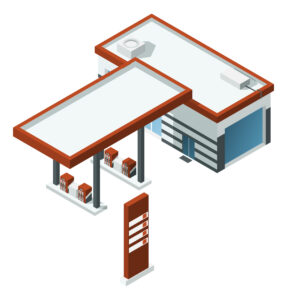
Designing an efficient gas station requires method, technical expertise, and fully integrated decision‑making. Every stage directly influences safety, operational efficiency, and return on investment over time.
1. Technical Site Analysis
Before any architectural concept is developed, a comprehensive site analysis is essential. This phase evaluates factors that directly affect feasibility and performance, such as:
- – Actual vehicle traffic volume and circulation patterns
- – Predominant traffic type (light vehicles, trucks, or mixed)
- – Access points, turns, curb cuts, and conflict zones
- – Environmental, zoning, and regulatory constraints
- – Expansion and future development potential
A poorly analyzed site limits the project from the start. Even a well‑located property can underperform if the architecture does not align with real traffic behavior.
2. Operational Layout Definition
Once the site is understood, the focus shifts to the operational layout. This is where architecture converts technical analysis into practical efficiency by defining:
- – Clear separation between light vehicles, trucks, and motorcycles
- – Reduction of hazardous crossings and operational conflict points
- – Prevention of internal queues and bottlenecks
- – Natural and intuitive paths leading customers to the convenience store
A poorly designed layout directly impacts daily operations. Even with strong traffic flow, inefficiencies can lead to lost revenue, longer service times, and reduced perceived quality.
3. Structural Design and Load Capacity
Gas station structures must be engineered for severe operating conditions. Structural design must account for:
- – Continuous dynamic loads from heavy vehicles
- – Constant vibration in fueling and circulation areas
- – Fuel spill exposure
- – Long service life with minimal need for corrective work
This stage includes the proper design of:
- – Foundations
- – Pavement systems
- – Drainage and containment infrastructure
- – Canopies and roofing structures
- – Electrical and hydraulic infrastructure
Undersized structures become recurring sources of maintenance costs, operational interruptions, and financial losses.
4. Integrated Design of Tanks and Fuel Dispensers
Fuel tanks and dispensers should never be treated as isolated elements or defined only at the construction phase. They form the core of the architectural system and must be planned from the earliest stages.
Their definition must occur:
- – In conjunction with the operational layout
- – In compliance with federal, state, and local environmental regulations
- – With proper access for inspection and maintenance
- – Prepared for future expansion or system upgrades
Errors at this stage create environmental risks, operational constraints, and costly corrective interventions.
5. Designing for Growth and Technology
Efficient gas stations must be designed with the future in mind. Architecture should anticipate:
- – Operational automation and control systems
- – Remote monitoring and data‑driven management
- – New services and evolving business models
- – Regulatory changes
- – Infrastructure for electric vehicle (EV) charging
An intelligent architectural design anticipates these demands, avoiding expensive renovations, operational shutdowns, and strategic limitations later on.
Gas Station Structure: The Foundation of the Business
Although largely invisible to customers, the structural system is the most critical component of long‑term success. It supports the entire operation, defines safety standards, and determines the station’s capacity for evolution. When properly designed, structure ensures:
- – Continuous operation without interruptions
- – Lower maintenance costs (OPEX)
- – Operational and environmental safety
- – Simplified future expansion
Critical Structural Components
Foundations
Must be correctly sized for repetitive heavy loads. Errors at this stage can cause settlement, cracking, and costly corrective interventions.
Pavement Systems
Must withstand intense traffic, fuel exposure, and abrasion. Inadequate pavements lead to frequent repairs and operational shutdowns.
Technical Drainage
A critical element for environmental compliance. Poor drainage increases contamination risk and can lead to regulatory enforcement or shutdowns.
Canopies and Roofing
Beyond aesthetics, they provide protection and safety. Structural failures in these elements represent significant operational risk.
Scalable Infrastructure
Structures must support additional equipment, more dispensers, automation systems, and EV chargers without requiring reconstruction.
Fuel Storage Tanks: Environmental Safety and Operational Continuity
Fuel storage tanks represent the most sensitive component of a gas station. Any failure directly threatens environmental safety, daily operations, and legal viability.
Best architectural and engineering practices include:
- – Certified tanks compliant with EPA and state regulations
- – Continuous leak detection and monitoring systems
- – Safe positioning coordinated with site layout
- – Compliance with minimum setback distances
- – Adequate access for inspection and maintenance
Failure to meet these criteria can result in environmental contamination, fines, operational shutdowns, and loss of operating licenses. Well‑planned tank systems are not only a legal requirement — they are essential to business continuity and long‑term sustainability.
Fuel Dispensers: Productivity and Revenue per Hour
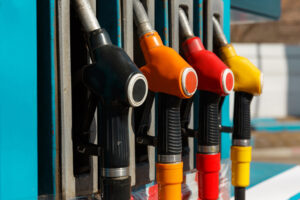
The positioning of fuel dispensers directly affects station productivity and revenue. A well‑designed layout increases service capacity, reduces queues, and improves customer experience.
Key design principles include:
- – Adequate spacing between dispenser islands
- – Separation of light and heavy vehicle fueling
- – High visibility from the roadway
- – Integration with convenience store access
Poorly positioned dispensers create bottlenecks, reduce throughput, and cause direct revenue loss — even in high‑traffic locations.
Intelligent Layout: Where Profit Is Generated
Layout design shapes customer behavior and determines how physical space translates into financial results. An intelligent layout:
- – Improves vehicle and pedestrian circulation
- – Reduces operational risks
- – Enhances perception of organization and professionalism
- – Increases average ticket size and purchase frequency
Well‑designed stations compete on efficiency, not discounts.
Infrastructure for Smart Gas Stations
Smart gas stations begin with architecture. Beyond meeting current needs, the structure must support technology, efficiency, and continuous adaptation, including:
- – Dedicated infrastructure for automation and control
- – Sensor and monitoring readiness
- – Energy‑efficient lighting systems
- – Flexible spaces for new services
- – EV charging infrastructure
Planning ahead is always more cost‑effective and safer than retrofitting later.
Technical Table: Impact of Architectural Decisions
| Element | Correct Decision | Business Impact |
|---|---|---|
| Structure | Proper pavement and load design | Lower maintenance costs |
| Tanks | Technically correct positioning | Environmental safety |
| Dispensers | Productive layout | Higher vehicles per hour |
| Traffic Flow | Separated access points | Fewer queues |
| Expansion | Pre‑planned infrastructure | Growth without reconstruction |
Common Architectural Mistakes in Gas Station Projects
Copying standard designs without site‑specific analysis
- – Ignoring future expansion potential
- – Prioritizing aesthetics over operations
- – Undersizing forecourt and dispenser capacity
- – Failing to integrate architecture with commercial strategy
These mistakes increase OPEX, reduce revenue, and are costly to correct after construction.
Frequently Asked Questions
Does gas station architecture affect revenue?
Yes. Architecture defines operational capacity, traffic flow, convenience store conversion, and average ticket value.
Can a poorly designed station be expanded later?
Yes, but at significantly higher cost. Proper initial planning avoids rework and unnecessary expenses.
Does architecture affect permitting and licensing?
Directly. Architectural errors often lead to regulatory delays, fines, or operational restrictions.
Is specialized consulting worthwhile?
Absolutely — especially for medium and large projects or sites with environmental risk.
Specialized Gas Station Architecture Consulting
Specialized consulting becomes essential when decisions involve high financial, operational, and environmental impact. The Petrol Group integrates architecture, engineering, and operational strategy into a single technical framework, ensuring safety, efficiency, and long‑term growth.
👉 Request a Strategic Gas Station Architecture Diagnosis and design a project that increases productivity, safety, and revenue — without costly rework in the future.
With Petrol Group, everything your gas station needs is in one place.