




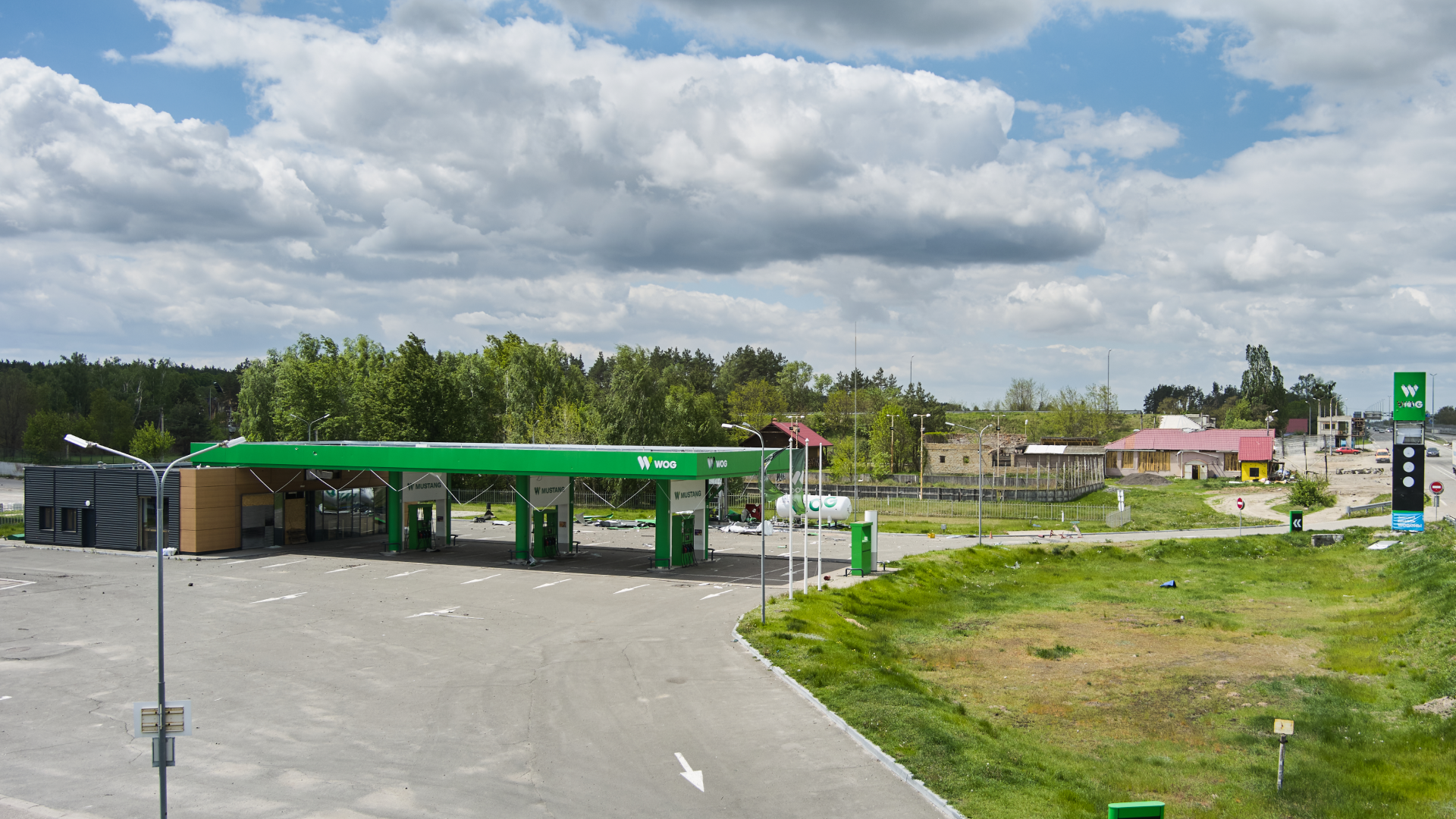
There is no national timeline for opening a gas station in the United States: it depends on the site, your state’s tank program and how fast your city and county review the project. Petrol Group has worked on hundreds of station openings in Brazil and in 16 countries. Here is the roadmap in the right order; confirm each step with your authority having jurisdiction (AHJ).
Step 1: Feasibility study and site selection
First: a site analysis. Check traffic, competitors, demographics, access, visibility and whether zoning allows a fuel station. Corner lots visible from two roads are worth more and tend to sell more fuel. Before you buy, order a Phase I environmental site assessment under EPA’s All Appropriate Inquiries rule (40 CFR Part 312): it is one of the conditions for the buyer’s federal liability protections and shows old tanks or contamination.
Step 2: Legal setup
Form the company in your state, get a free EIN from the IRS and register for state and local taxes and licenses (SBA). Tobacco can only be sold to customers 21 and older (FDA). If you buy into a franchise, the franchisor must give you its disclosure document at least 14 calendar days before you sign or pay (16 CFR 436.2).
Step 3: Environmental permits
The environmental permits are often the longest path: construction stormwater coverage if you disturb 1 acre or more (EPA), the tanks under 40 CFR Part 280 or your state’s program, and the federal air rule for gasoline dispensing (40 CFR Part 63, Subpart CCCCCC). Review times are set by each state.
Step 4: Architecture project and approvals
The design must be approved in zoning or site plan review, by the building department and the fire marshal and, on a branded station, against the fuel brand’s image standards. Fire review uses NFPA 30A or IFC Chapter 23, as adopted locally; the 2010 ADA Standards require at least one of each type of fuel dispenser to be accessible (228.1). The permit set is sealed by a design professional licensed in your state where state law requires it. Each incomplete submittal adds a round of comments. See how the gas station architecture project works at Petrol Group.
Step 5: Construction
Milestones: earthwork, tanks (with tightness testing), canopy, dispensers, finishes and electrical. Tanks and piping installed after April 11, 2016 must be secondarily contained, new dispensers need under-dispenser containment, and the installation must be certified (40 CFR 280.20).
Step 6: Registration and opening
Notify the tank program within 30 days of bringing the tanks into use (40 CFR 280.22), with financial responsibility of at least $1 million per occurrence (40 CFR 280.93), and designate Class A, B and C operators: A and B trained within 30 days of assuming duties, C before starting (40 CFR 280.243). Ask your state or local weights and measures office about dispenser inspection (many states apply NIST Handbook 44) and schedule the AHJ’s final inspections. Plan every sign-off before the first sale.
Where Petrol Group fits
Petrol Group designs the station remotely: site plan and forecourt layout, architecture drawings and specifications, canopy, brand identity and signage design, convenience store layout and 3D renderings. A design professional licensed in your state seals and files the permit set with the AHJ, and your local engineers handle the structural, MEP and fuel system design.
FAQ
What is the minimum investment?
There is no standard number: land, tanks, canopy, store size and local costs change the total a lot. Our guide on how much a gas station costs breaks down the main items.
Do I need experience in the industry?
It is not required, but it is highly recommended to have at least one partner or manager with experience running a gas station.
How long does it take to open a gas station?
There is no national standard: it depends on the site, your state’s tank program and local review times. A complete design package and early contact with each agency are what you control.
See also: gas station construction documents, how much a gas station costs and building a gas station.