




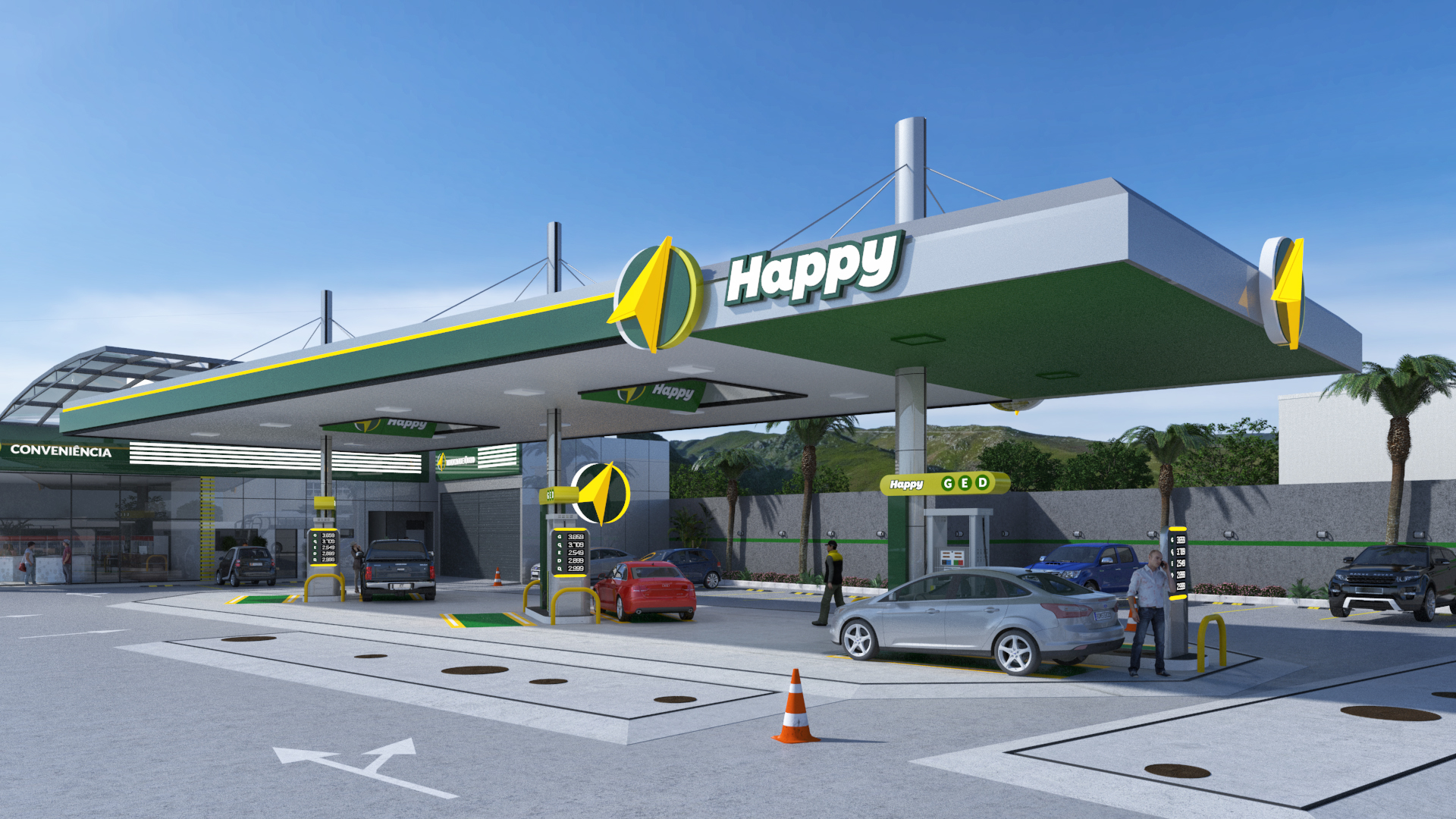
Brand Guidelines for Gas Stations: Why They Are Essential for Growth and Standardization
In the fuel retail industry, a brand goes far beyond the logo displayed on the canopy. It represents trust, consistency, and the overall experience customers expect when they arrive at a gas station. In this context, brand guidelines for gas stations become a strategic asset for both independent operators and multi-location networks aiming to scale with consistency.
In practice, brand guidelines establish clear standards for visual identity, communication, and architectural application. As a result, every touchpoint—canopy signage, fuel dispensers, convenience store, promotional materials, and digital presence—delivers a unified and cohesive message. Additionally, they help prevent misapplications that can weaken the perception of professionalism.
Therefore, more than just a visual guide, brand guidelines function as a strategic management tool.
What Are Brand Guidelines for a Gas Station?
Brand guidelines are a document that defines how a company’s visual identity should be applied across different contexts.
They provide direction for designers, architects, vendors, and internal teams, ensuring consistency in both communication and visual presentation.
For gas stations, this typically includes applications such as:
– canopy and signage
– forecourt communication
– fuel dispensers and wayfinding
– staff uniforms
– convenience store design
– marketing materials
– digital platforms
This way, regardless of location, the brand maintains a consistent identity and strategic positioning.
Key Elements of Effective Brand Guidelines
While each project has its own specifics, some elements are essential in any gas station branding system.
1. Brand Concept and Positioning
First, the guidelines define the core of the brand, establishing the foundation for all visual and communication decisions.
This includes:
– business purpose
– company values
– market positioning
– target audience
These elements guide every branding and design decision.
2. Logo and Its Variations
The document also presents all approved logo versions to ensure proper use across different applications.
These typically include:
– primary logo
– monochrome version
– negative version
– horizontal and vertical formats
Additionally, it defines clear space and minimum size rules to avoid distortion or misuse.
3. Color Palette
Color plays a critical role in brand recognition, as it communicates identity and personality instantly.
The guidelines specify:
– primary colors
– secondary colors
– Pantone, CMYK, RGB, and HEX codes
This ensures consistency across both print and digital materials.
4. Typography
Typography is another key element that reinforces brand identity and ensures communication consistency.
The guidelines define:
– official fonts
– text hierarchy
– usage in headlines, signage, and marketing materials
As a result, communication remains visually aligned across all channels.
5. Brand Application in the Physical Environment
In fuel retail, branding extends into architecture and the forecourt environment.
Therefore, the guidelines often include detailed direction for:
– canopies
– signage structures
– price totems
– internal wayfinding
– fuel dispensers
This ensures the entire station environment reflects a cohesive and recognizable identity.
6. Visual Communication and Marketing Materials
The guidelines also establish standards for marketing execution, including:
– promotional banners
– campaign graphics
– point-of-sale materials
– social media
– staff uniforms
This way, all campaigns follow a consistent visual and strategic direction.
Benefits of Having Structured Brand Guidelines
Companies that invest in brand standardization gain several competitive advantages:
– Faster brand recognition → Customers identify the station more easily
– Consistency across locations → Essential for networks and franchises
– Fewer design errors → Vendors follow clear standards
– Stronger positioning → The brand builds credibility and trust
Additionally, well-structured guidelines make future expansion much easier.
How to Apply Brand Guidelines in Daily Operations
Creating the guidelines is only the first step—the real value lies in consistent execution.
Best practices include:
– sharing the guidelines with vendors
– training marketing and operations teams
– reviewing materials before production
– updating the document when necessary
This ensures long-term consistency and brand strength.
The Role of Strategic Design in Branding
In the fuel industry, design and strategy must work together to create a strong and differentiated brand.
Visual identity should align with:
– station architecture
– customer experience
– market positioning
– competitive differentiation
For this reason, branding projects should be developed by professionals who understand the specifics of the fuel retail sector. This guarantees a strategic, functional, and market-aligned outcome.
What Strong Branding Can Do for Your Gas Station
A gas station with a well-defined visual identity communicates organization, professionalism, and trust.
Moreover, it enhances perceived value, strengthens credibility, and directly influences customer decision-making—especially in a highly competitive market.
In other words, investing in structured branding is not just about aesthetics; it is a strategic move for business growth.
Talk to Experts in Gas Station Branding
Petrol Group develops complete solutions in architecture, branding, and visual communication for gas stations, integrating strategy and design to strengthen your brand.
Our work includes:
– visual identity
– gas station architecture
– customer experience
– brand positioning strategy
If you’re looking to build or reposition your brand, get in touch with our team. More than creating visuals, we turn identity into results.
With Petrol Group, you’ll find everything your gas station needs in one place.