


How Much Does It Cost to Buy or Build a Gas Station in the U.S.?
Real Costs, Investment Ranges and How to Secure ROI
The cost to buy or build a gas station in the United States typically ranges from USD 2 million to over USD 10 million, depending on factors such as location, traffic volume, business model, environmental conditions, branding strategy and the strength of the convenience store operation.
However, investing in a gas station is not just about construction costs or fuel equipment. It is a real estate–driven investment, where profitability, risk and long‑term asset appreciation depend on strategic decisions made well before the first gallon is sold.
In this guide, you will understand:
- – How much it really costs to buy or build a gas station in different U.S. scenarios
- – The main cost components and where investors typically underestimate risk
- – The difference between independent and branded gas stations in the U.S.
- – How to structure a gas station as a cash‑flow‑positive, appreciating asset
📌 This technical guide is based on real projects and feasibility studies developed by Petrol Group, integrating operational analysis, real estate strategy and financial viability.
Why Understanding Gas Station Costs in the U.S. Is Critical

Fuel margins in the U.S. are historically thin. As a result, a gas station should never be viewed solely as a fuel business.
In practice, successful gas station investments in the U.S. are built on three pillars:
- – Location and traffic
- – Convenience store performance
- – Real estate value and exit strategy
When costs are poorly structured or underestimated:
- – Cash flow becomes fragile
- – ROI timelines extend beyond projections
- – The asset loses liquidity and resale value
On the other hand, when costs are aligned with traffic potential, branding strategy and C‑store economics, a gas station becomes a resilient income‑producing real estate asset.
How Much Does It Cost? U.S. Investment Ranges
Well‑structured gas station projects in the U.S. generally fall into the following ranges:
- – Small urban or neighborhood station:
USD 2M – USD 4M - – Mid‑size urban or suburban station:
USD 4M – USD 7M - – High‑traffic or highway gas station:
USD 7M – USD 10M+
These ranges vary significantly depending on:
- – State and local regulations
- – Land acquisition cost
- – Environmental conditions
- – Independent vs branded operation
- – Size and performance of the convenience store
The key is not minimizing CAPEX, but aligning investment size with revenue potential and exit value.
Main Cost Components in the U.S.
1. Land and Location
Land is the most critical investment driver. In U.S. projects, it often represents 25% to 45% of total investment.
Key factors:
- – Traffic counts (AADT)
- – Visibility and ingress/egress
- – Zoning and permitted use
- – Competition density
- – Corner lots and signalized intersections
A strong site can compensate for higher construction or branding costs.
2. Environmental Due Diligence
Unlike Brazil, U.S. projects require rigorous environmental compliance:
- – Phase I Environmental Site Assessment (ESA)
- – Phase II ESA (if contamination risk is identified)
- – UST (Underground Storage Tank) compliance
- – EPA and state environmental agency approvals
Environmental issues are one of the largest hidden risks in gas station acquisitions.
3. Design, Engineering and Permitting
Includes:
- – Architectural and site planning
- – Civil, electrical and mechanical engineering
- – Stormwater and containment systems
- – Fire and safety compliance
- – Local permitting and inspections
Good design directly impacts:
- – Vehicle flow efficiency
- – Conversion rate
- – Operating costs
- – Long‑term adaptability
4. Construction and Infrastructure
Major components:
- – Site preparation and paving
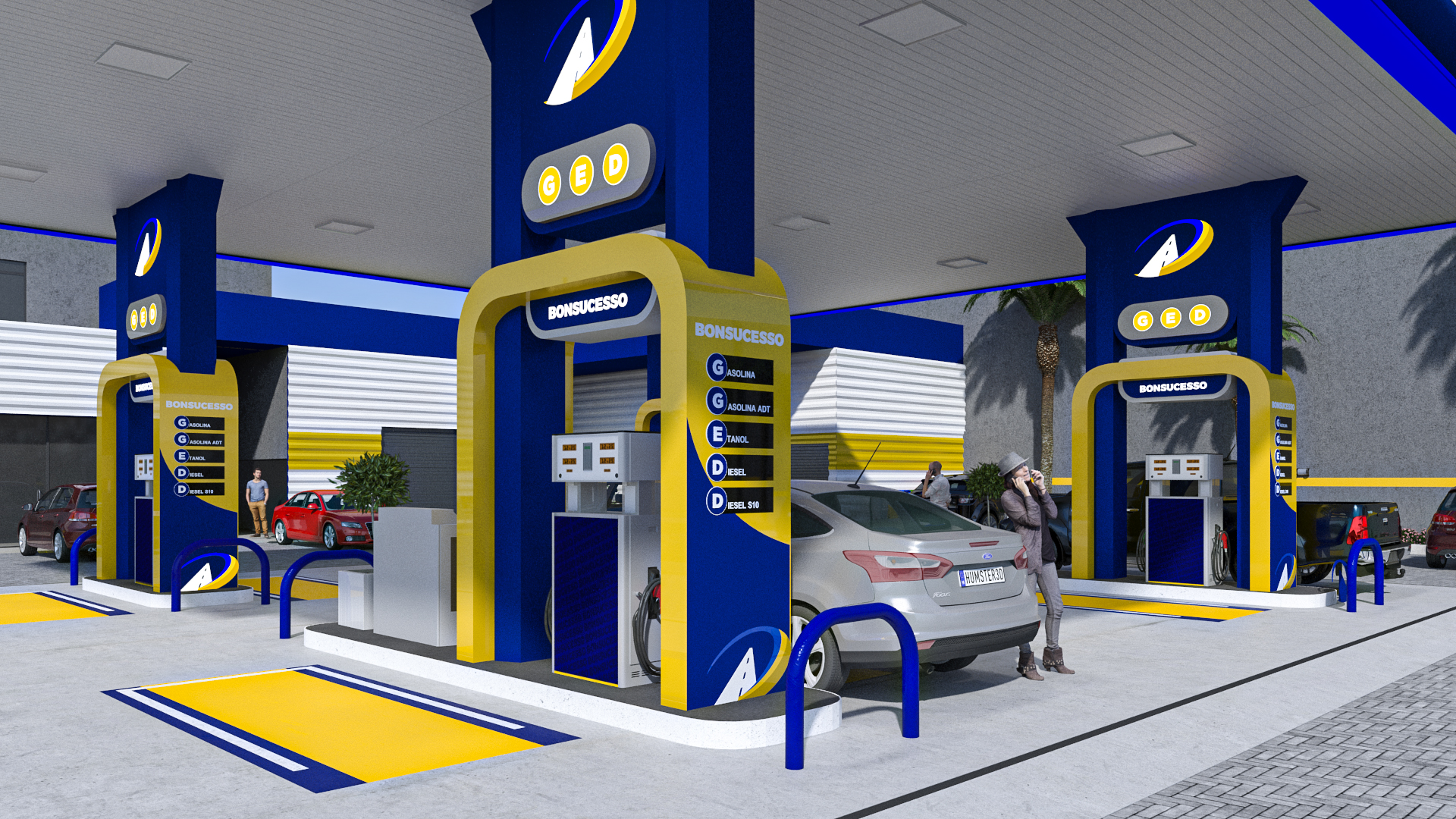
- – Canopy and fueling area
- – Building construction
- – Drainage and environmental systems
Construction costs vary widely by state, labor market and site conditions.
5. Fuel Equipment and Systems
- – Underground storage tanks (double‑wall)
- – Dispensers and POS integration
- – Leak detection and monitoring
- – Price signage and forecourt lighting
Equipment quality affects:
- – Safety
- – Maintenance costs
- – Operational reliability
- – Buyer perception at exit
Independent vs Branded Gas Stations (U.S.)

Independent Gas Station
- – Lower upfront investment
- – Greater pricing flexibility
- – Higher margin control
- – Requires strong branding and operations
Branded Gas Station (Shell, Chevron, Exxon, etc.)
- – Higher initial investment
- – Franchise fees and strict standards
- – Strong brand‑driven traffic
- – Lower operational flexibility
There is no universally superior model. The correct choice depends on:
- – Traffic profile
- – Competitive environment
- – Investor strategy
- – Desired exit scenario
The Role of the Convenience Store
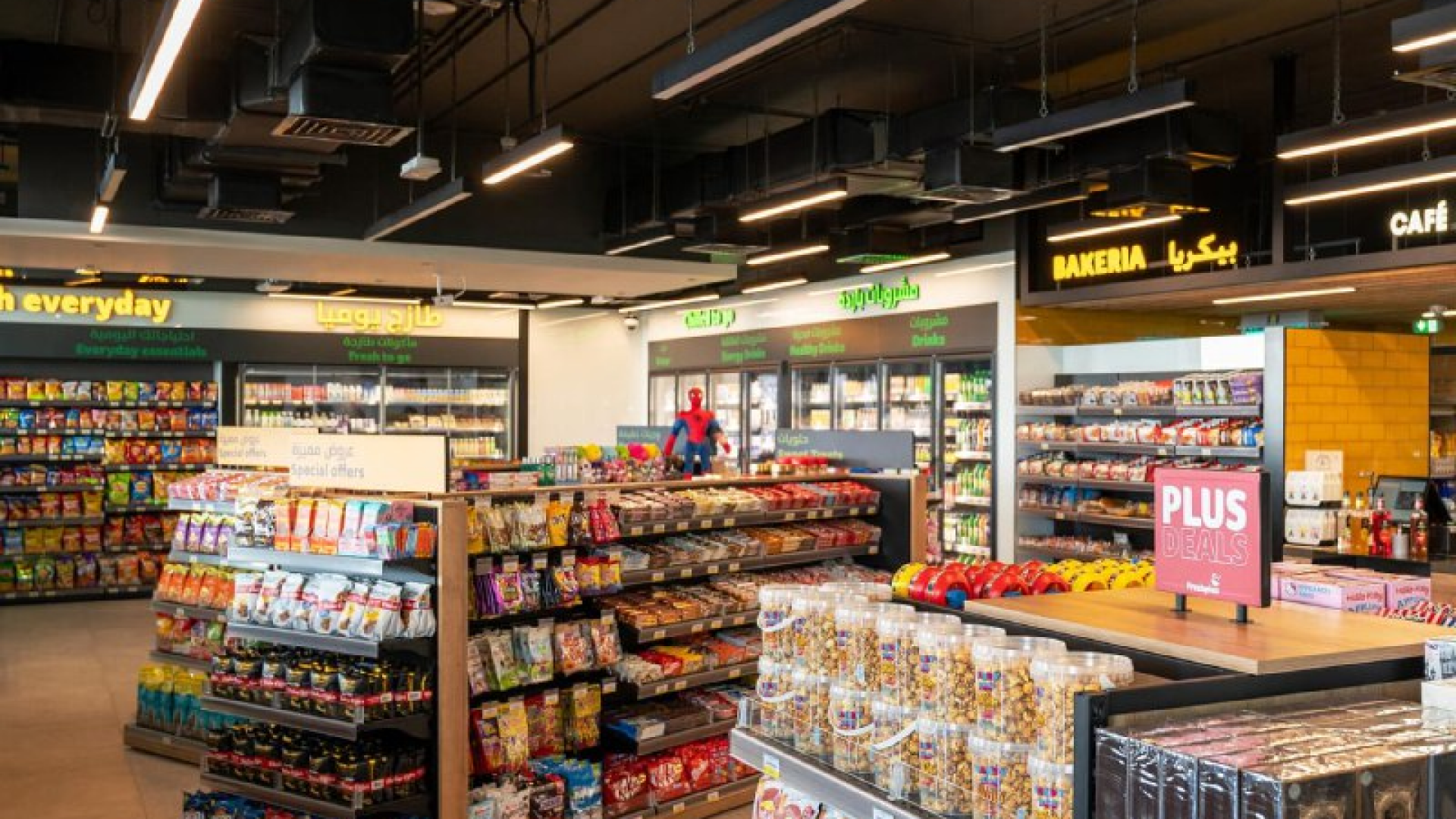
In the U.S., the C‑store is the profit engine.
A well‑designed convenience store can generate:
- – The majority of net operating income (NOI)
- – Strong recurring cash flow
- – Increased property valuation
Key investment areas:
- – Layout optimized for flow and impulse buying
- – Product mix strategy
- – Lighting and interior branding
- – Operational efficiency
In many successful projects, the convenience store accounts for over 50% of total profit.
Common Investment Mistakes
- – Underestimating environmental risks
- – Overpaying for land without traffic validation
- – Choosing branding without financial modeling
- – Ignoring C‑store performance potential
- – Treating the project as fuel‑only, not real estate
These mistakes reduce ROI and limit exit opportunities.
ROI, Cash Flow and Exit Strategy
Well‑structured gas station investments typically target:
- – Stable monthly cash flow
- – NOI growth through operations
- – Asset appreciation via location and performance
- – Exit via sale, portfolio aggregation or refinancing
Payback periods commonly range from 5 to 8 years, depending on execution quality.
When Specialized Consulting Makes Sense
Gas station investments in the U.S. demand:
- – Real estate analysis
- – Traffic and site feasibility
- – Environmental risk control
- – Financial modeling
- – Branding and operational strategy
Petrol Group supports investors through:
- – Feasibility studies
- – Cost and ROI modeling
- – Independent vs branded strategy definition
- – Architectural and operational planning
- – Asset positioning for long‑term value
🚀 Want to know if a gas station investment makes sense for your specific U.S. market?
Request a Strategic Gas Station Investment Analysis and make decisions based on data, not assumptions.
With Petrol Group, everything your gas station needs is in one place.