




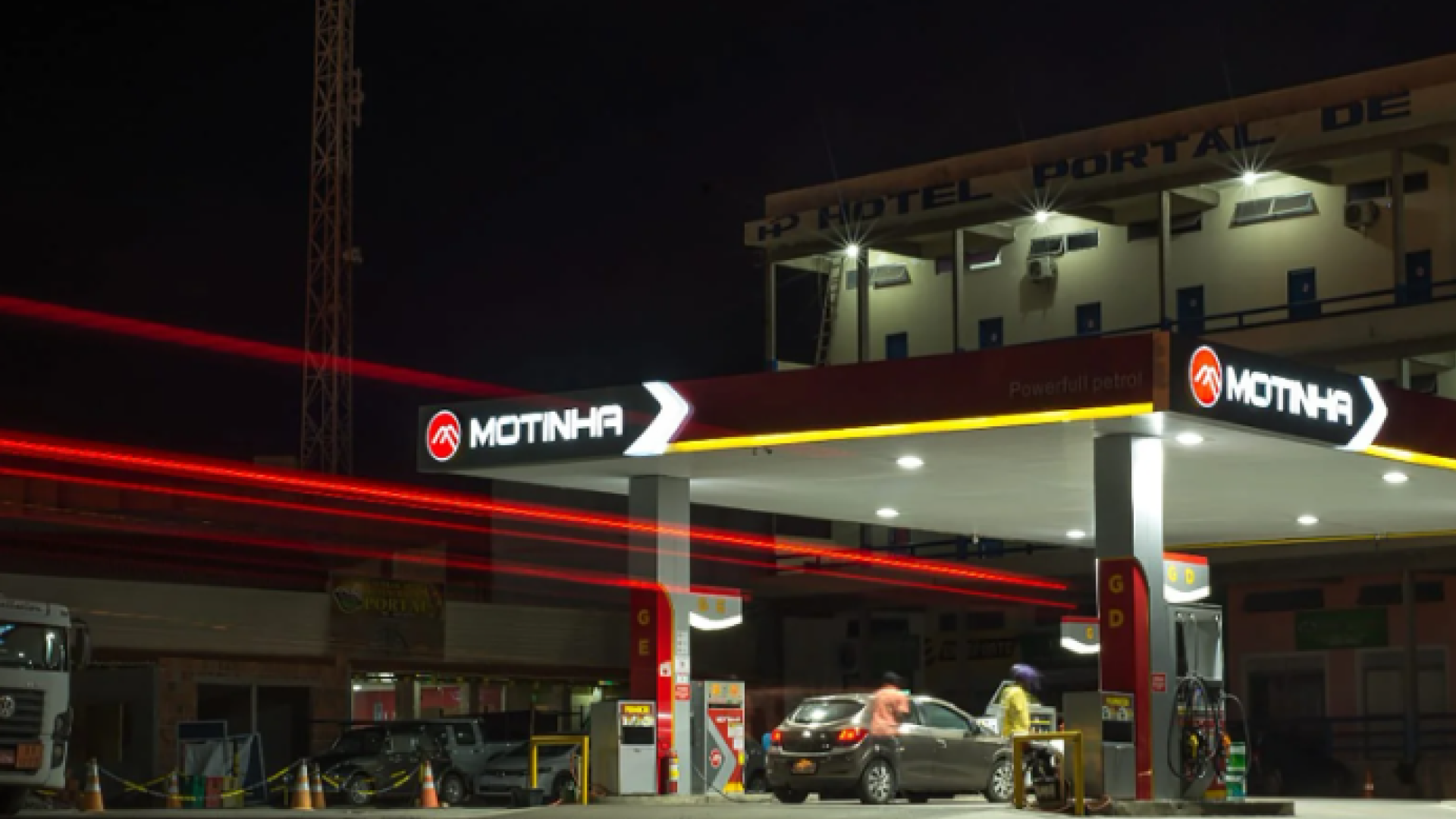
Business opportunity in the fuel market
Opening a gas station remains a solid business opportunity in the United States. Demand for fuel is large and steady: in 2025, U.S. consumption of finished motor gasoline averaged about 374 million gallons per day, according to the U.S. Energy Information Administration (EIA), and gasoline is still the main fuel of the country’s transportation sector.Opening a station requires a significant upfront investment, and the amount depends on the land, the site work, the tanks, the canopy and the store. We gathered sourced U.S. benchmarks in a separate guide: how much does a gas station cost. In return, the business has strong earning potential: beyond fuel sales, a convenience store and extra services widen the ways to make money. With efficient management and a well-defined strategic plan, you can meet drivers’ needs and stand out in the market.To succeed, the owner must focus on a strategic location, freedom of management and a diversified offer of services. In a market with steady demand and new trends, opening a gas station is a sound decision when it rests on careful planning.Keep reading for a detailed walk-through of each step, from the site to taxes, with the U.S. rules that apply at each stage.Understanding the gas station market
 Understanding the fuel market is essential before opening a gas station. In the United States, fuel retail is regulated at the federal, state and local levels, and each level affects your costs. A complete analysis of the target audience, the competition and your competitive edge helps you align strategy with what the market demands. The choice between a major oil brand and an unbranded (independent) station is strategic, because supply contracts and price swings directly affect costs and profit margins.Volume grows with the vehicle fleet and with traffic on the roads around the site. In that context, negotiating well with suppliers and offering attractive payment options improve financial management and build customer loyalty. Our guide on how to choose a fuel distributor covers what to compare before signing.The payback period depends on fuel volume, margins and store sales, so model it before you buy the land. Diversifying services and adding value to the business are key strategies to maximize results in a market with steady demand.
Choosing a good location for your gas station
 Choosing the location of a gas station is decisive for the success of the business. Easy access, proximity to busy areas and compliance with local regulations directly affect customer flow. Analyzing the demographic profile and the buying habits of the area is also essential.The station’s infrastructure, including security, lighting and visibility, must be carefully planned. It is also important to consider natural hazards, possible road closures and what zoning allows on the parcel. The cost of the property must be compatible with the expected profitability, including local property taxes.For unbranded stations, understanding the local regulatory and competitive landscape is fundamental. A careful evaluation of these factors gives customers convenience and gives the business favorable operating conditions, maximizing the chances of success. See also our article on location regulations for gas stations.
Gas station land: crucial aspects of site preparation
Preparing the land for a gas station calls for close attention to paperwork, environmental issues and structural aspects, so that the project complies with the codes and regulations in force.Legal and environmental compliance
Before buying, have the site’s environmental condition assessed. Under the EPA’s All Appropriate Inquiries rule, a buyer must carry out this evaluation before acquiring the property to qualify for federal Superfund liability protections, and the ASTM E1527-21 standard is recognized as meeting it (EPA). During construction, a site that disturbs 1 acre or more needs stormwater permit coverage under the Clean Water Act (EPA). Safety codes must also be followed strictly, protecting employees and customers and strengthening the credibility of the business.Construction and structural maintenance
The construction must meet specific technical requirements to ensure safety and efficiency. Preventive and corrective maintenance are essential to preserve equipment and avoid interruptions in operations.By planning every detail with a focus on safety and sustainability, the owner lays solid foundations for efficient operations in line with legal requirements, creating a responsible and competitive business.Permits and planning to open your gas station
Opening a gas station requires detailed planning and attention to the law. You need to know the federal, state and local requirements: the EPA rules for tanks and gasoline vapors, OSHA’s workplace rules and the fire, building and zoning codes your state and city adopt. As the SBA puts it, most small businesses need a combination of federal and state licenses and permits, and local governments set their own registration, licensing and permitting requirements (SBA).Essential documents and permits
These are the main approvals to open a station (names and order vary by state and city):- Business registration: form the company with your state (SBA), get an Employer Identification Number from the IRS and open state tax accounts, such as sales tax.
- Zoning approval and site plan review from the city or county planning department.
- Building permit and fire code approval from the building department and the fire marshal, under the codes adopted locally, such as Chapter 23 of the International Fire Code and NFPA 30A.
- Underground storage tank approval from the state UST program, notice to the implementing agency within 30 days of bringing the tanks into use (40 CFR 280.22) and proof of financial responsibility.
- Air quality: the EPA rule for gasoline dispensing facilities (40 CFR Part 63, Subpart CCCCCC) and any state or local air permit.
- Weights and measures: the state or local program inspects the dispensers against NIST Handbook 44, which all 50 states adopt in its current or an older edition (NIST).
- Store permits: a food permit from the local health department, whose rules usually follow the FDA Food Code model, plus state and local licenses for tobacco, alcohol or lottery sales where you offer them.
Environmental and safety rules
You must follow rules such as the EPA’s underground storage tank regulations (40 CFR Part 280), OSHA’s flammable liquids standard for service stations (29 CFR 1910.106) and its Hazard Communication standard, and adopt sound practices for workplace safety, fire prevention and the proper disposal of waste.Taxes and financial management
Choosing the right business structure and tax setup is strategic for the financial health of the station. Evaluating the options with your accountant helps you save and avoid legal problems. Staying current with tax obligations keeps the business running without legal or financial obstacles (more on this below).Specific codes, construction and structure of the gas station
The structure of a gas station includes the forecourt, the dispensers, the cashier, the retail space and the underground tanks. The lot size depends on the program and on local zoning, which sets minimum lot size, setbacks and parking. For security, you need cameras, alarms and insurance. Adding services such as oil changes requires adaptations, since repair areas have their own provisions in the fire codes.Equipment and codes
Following strict technical standards is essential for safety and efficiency. Tanks and piping must be built to recognized codes of practice, such as UL 58 for steel tanks and UL 1316 for fiberglass tanks, both listed in the EPA rule (40 CFR 280.20), and dispensers must pass the weights and measures inspection. Each dispenser must also carry the fuel rating label required by the FTC (Fuel Rating Rule). Sensors monitor volume, temperature and sales, and dispensers must be inspected and calibrated periodically.Maintenance and safety
Regular maintenance of the equipment and compliance with safety codes are crucial for the operation of the station. The EPA rule requires testing of spill buckets and containment sumps and inspection of overfill equipment at least every three years (40 CFR 280.35), plus walkthrough inspections every 30 days (40 CFR 280.36). Using proper, quality equipment, together with strict compliance with the codes, keeps the environment safe for customers and employees, prevents leaks and ensures continuous, efficient operation.Architectural design
The architectural design of a gas station is not limited to aesthetics: it also involves operational efficiency, code compliance, safety, sustainability and the customer experience. These are the main aspects:Design and operational efficiency
The layout must optimize the flow of vehicles and pedestrians, with an effective arrangement of the dispensers, the convenience store and the restrooms. Access for different types of vehicles is also essential.Code compliance
The design must meet the fire, environmental, building and accessibility codes adopted by your state and city, so that the station operates legally and safely.Safety
Because of the flammability risk, safety must be a priority. The design must include vehicle impact protection, leak detection systems, fire extinguishers and proper signage.Sustainability
Sustainable measures, such as environmentally friendly materials and energy efficiency, are increasingly important in the architectural design of a gas station.Aesthetics and brand identity
Brand identity is fundamental to create an attractive image and convey trust to customers, shaping their perception of quality and reliability.Customer experience
The design must prioritize the customer experience, with rest areas, places to eat, shaded parking and modern restrooms when the station has a convenience store.Accessibility
Accessibility for people with disabilities is mandatory: parking, routes, restrooms, the store and the dispensers follow the 2010 ADA Standards for Accessible Design. The Justice Department also says stations must provide refueling assistance on request, with limited exceptions (ADA business brief).How a project develops with Petrol Architecture
- – Connection and understanding: We understand your vision and needs to develop a tailored proposal.
- – Meetings and proposals: We discuss the project requirements and align the proposal with the way you operate.
- – Feasibility and detailing: We turn your vision into a feasible project, presenting the details in a 3D model.
- – Delivery of the construction documents: We deliver the final project with all the information needed for construction, for a locally licensed architect or engineer of record to seal and file.
Construction documents
Construction documents are essential to turn the plan for a gas station into reality, with code compliance and the best cost-benefit. They contain detailed specifications of the model, dimensions and materials, and they guide the coordination with the other engineering disciplines.What construction documents do
The construction documents are a complete guide for the construction, letting the owner and the contractors follow the progress of the work and check the quality of the execution. They detail every stage of the work, such as electrical and plumbing installations, finishes and the purchase of materials, and they are the set your authority having jurisdiction (AHJ) reviews before issuing the permit. In the U.S., state law decides who must seal them; see our step-by-step guide to gas station construction documents.Structure of the document
The set includes:- – Detailed plans and drawings
- – Elevations and sections
- – Technical specifications
- – Area schedules
Planning and budget
Alongside the drawings, a cost estimate shows the expected costs and schedule, making it easier to manage the finances of the construction. Well-organized documentation gives a reliable guide for the execution and control of the project.Building the gas station
The tanks and piping must meet the EPA tank rules and your state program, and the dispensers must pass the weights and measures inspection. Below are the main components and how they work:Fuel deliveries
Tank trucks deliver the fuel at intervals that depend on sales volume and tank size. Every tank needs spill and overfill prevention: equipment that shuts off flow when the tank is no more than 95 percent full, or alerts the driver at no more than 90 percent (40 CFR 280.20). For gasoline, stations dispensing 10,000 gallons or more per month must use submerged filling, and those with 100,000 gallons or more per month need a vapor balance system (40 CFR Part 63, Subpart CCCCCC).Grounding and bonding
Grounding and bonding dissipate the static electricity that builds up during fuel transfer, as specified by the electrical engineer under the codes in force.Product lines
Corrosion-resistant piping connects the dispensers to the underground tanks. Tanks and piping installed or replaced after April 11, 2016 must be secondarily contained and use interstitial monitoring, new dispenser systems need under-dispenser containment, and pressurized piping still needs automatic line leak detectors (EPA).Tank
Underground tanks are made of corrosion-protected steel or fiberglass, double-walled in new installations, and they can be divided into compartments for different products. The capacity is sized to the sales forecast.Sensors
Automatic tank gauges inside the tanks monitor the volume, product level, water and temperature and send the data to a computer. Automatic tank gauging is also one of the release detection methods accepted by the EPA (40 CFR 280.43).Empty and full tank
Vent pipes let air in as the tank empties and let vapor out as it fills. When the tank approaches its capacity, the overfill prevention device stops or restricts the flow. At stations with 100,000 gallons or more of gasoline per month, the EPA rule also requires pressure/vacuum valves on the tank vents.Diesel filter and natural gas compressor
The diesel filter traps impurities before the fuel reaches the engine. If the station sells compressed natural gas (CNG), the compressor raises the pressure of the gas before it goes into the vehicles, and the installation follows NFPA 52 and the fire code.Cleaning and maintenance
Drains around the forecourt carry oil and water to a separator where your local plumbing or stormwater rules require it. Maintenance of the dispensers and equipment is essential to keep them working and approved by weights and measures.The structure of the station must be planned with a focus on efficiency, safety and easy maintenance to ensure continuous, trouble-free operation.Strategic and operational planning of your gas station

Efficient management of the station team
To ensure customer satisfaction and loyalty, invest in excellent service. Preparing the team for risk situations reflects your commitment to the safety of employees and customers. In the model fire code, an attended self-service station must have at least one qualified attendant on duty while it is open, supervising the dispensing and ready to act on spills and fires (IFC Chapter 23). Valuing your employees also contributes to a healthy and productive workplace.Process automation and standardization
Automating processes improves operational efficiency, speeding up tasks, controlling inventory and simplifying financial management. This reduces errors and increases profitability. Combining automation with effective team management and a standardized brand identity and service delivers superior performance and greater customer satisfaction.A gas station team with up-to-date training
Investing in training and in valuing the team is essential for the success of a gas station. Well-prepared employees deliver quality service, increasing customer satisfaction and loyalty. The size of the team depends on the operating hours, and 24/7 stations need more staff.Training should cover customer service, technical knowledge, speed and basic notions of mechanics. Some training is also required by law: OSHA’s Hazard Communication standard covers training on hazardous chemicals such as gasoline, and the EPA tank rules require designated Class A, B and C operators, with Class C operators trained before assuming their duties (40 CFR Part 280, Subpart J). An efficient team improves the customer experience, creates a positive environment and keeps the workplace safe. Training employees is therefore strategic for operational excellence and safety.Materials for the structure and equipment of the gas station
The administrative area of a gas station includes desks, chairs, cabinets, a cordless phone, a printer and a laptop. Additional equipment includes a service counter, an air compressor, a vehicle lift, a receipt printer, Wi-Fi security cameras and a cabinet for oils and lubricants.On the forecourt, some branded supply agreements include equipment or image programs, which can reduce costs; compare the terms before you sign. For an unbranded station, the process involves choosing the site, hiring the engineers, forming the company and obtaining the permits.The essential items include fuel dispensers, a test measure for calibration checks, hoses, breakaway valves, filters and a leak detection system. Other services, such as tire repair and car washing, can also be offered. The amount of material varies with the size of the station and its specific needs.Managing the gas station’s fuel inventory
Efficient inventory management is fundamental for a gas station, balancing supply and demand. First, controlling the purchase and storage of fuel helps optimize financial resources and avoids shortages or excess product. Also, with indicators such as inventory turnover and customer service level, owners can monitor performance more precisely. Keeping a minimum inventory reduces the impact on working capital, contributing to the financial health of the station. Beyond fuel, adding products such as CNG, oils and lubricants can broaden the offer and, consequently, attract more customers. Finally, supply agreements may limit where you buy, in exchange for more control over prices and product availability.Design of your gas station
Brand identity plays a crucial role at a gas station, directly shaping the customers’ buying experience and, consequently, boosting sales. A well-kept environment and attention to detail convey trust, and the quality of a station’s appearance can even affect how customers perceive the quality of its fuel.When opening a gas station, creating an exclusive logo is an essential differentiator. With Petrol Design, the process begins with an in-depth analysis of your gas station’s profile, including market and marketing studies. Our creative touch completes the process, ensuring that the logo faithfully represents the history, plans and values of your business.The importance of design when opening a gas station
Logo design is not just a visual representation, but a visual narrative that extends beyond the identity of the gas station. The logo is the basis for the consistent use of colors, shapes, typography and style in every visual aspect, adapted to the specific profile of your target audience, services, location and competition.We avoid “dated” designs, choosing to create a strong, timeless brand that inspires credibility over time. The idea is for your brand to be in harmony with every element, standing out to promote your business and services effectively.Besides the logo, we provide comprehensive technical documentation detailing the brand identity elements applied at your station. Specifications of colors, shapes, materials, dimensions and layout are carefully described in the design specifications, a practical guide to ensure execution according to the design.The Design Pack offers tailored solutions, including uniforms for attendants, service operators and the convenience store team, all aligned with the station’s brand identity. For the vehicle fleet, we develop exclusive designs, ensuring a consistent and recognizable brand identity.We also offer services such as realistic 3D animations of the project, for TV commercials, social media and marketing. For social media, we provide attractive, relevant content, while motion design creates custom animations for LED displays, presenting information dynamically and true to your brand.Human and management factors at the gas station
 Good working capital management and cost control are essential for the financial and operational health of a gas station.
Working capital management
Efficient financial planning is crucial to have enough resources for daily operations. The right amount of working capital depends on fuel volume, supplier payment terms and store inventory: model it in your business plan so the station can meet its obligations and still have room for new investments.Cost management
Controlling and reducing operating costs is fundamental to increase the profitability and efficiency of the station. A detailed profitability analysis helps identify areas to optimize and ensures that investments are well directed, keeping the business financially sustainable in the long term.By focusing on working capital management and cost control, gas stations can secure their financial stability and keep growing in the market.Organizing the production process
Running a gas station involves four main areas: administration, customer service, purchasing and inventory replenishment.- – Administration: Covers paying bills, supplier relations, human resources, planning and performance analysis, usually managed by the owner.
- – Customer service: Carried out day to day by the attendants and cashiers, it is fundamental for the interaction with customers.
- – Purchasing: Begins with the choice of suppliers and continues with updates to products and market trends.
- – Inventory replenishment: Essential for continuous operations, avoiding excess or shortage of products.
Gas station process automation
Today there are many management systems for small businesses that integrate purchasing, sales and finance, improving productivity and organization. This software lets you register customers and control accounts and payroll, and it allows remote monitoring by smartphone.At gas stations, automation brings significant benefits, such as fewer errors and higher productivity. Technologies such as tank sensors and pumps authorized by key or card contribute to precise control of inventory and of the station’s operation. Automation also makes financial management more efficient, giving a clear and detailed view of the finances, which supports strategic decisions.By adopting automated systems, gas stations improve operational efficiency and reduce the time spent on manual tasks, resulting in a faster, more accurate operation. Automation not only improves inventory control, adjusting it to demand, but also supports more assertive and strategic management of the business, promoting sustainable, more competitive growth.Investment for the gas station
The investment in a gas station includes the capital to start the business and sustain it until it pays for itself, divided into fixed investment (property, equipment, etc.), pre-operating investment (design, permits, registration, etc.) and working capital. The total varies with the region, the land and the services offered: see the sourced ranges in how much does a gas station cost and the design fees in how much does it cost to design a gas station in the U.S.Detailed analysis of the required investment
The investment requires a detailed analysis of the resources, considering implementation and setup costs, expected return and sources of financing. It is important to evaluate the initial costs, such as construction, equipment, technology and working capital, and to identify sources of financing, such as equity or loans. It is also essential to project the return on investment, estimating the time needed to recover the costs and reach profitability. With a careful analysis, owners can make more informed decisions and plan the start of the business strategically.Working capital
When opening a gas station, remember that working capital is crucial to keep the company’s cash cycle flowing, representing resources tied up in current assets. Its dynamics depend on the average payment period to suppliers, the average inventory period and the average collection period granted to customers.Financial planning and resource management
For a gas station, set aside enough working capital to cover fuel restocking and store inventory, based on your own volume and payment terms. A forward-looking cash flow forecast is essential to adapt to fluctuations in sales and market terms.Effective working capital management involves financial planning, financial balance and efficient control of resources. Financial planning projects future resource needs, keeping the balance that prevents service interruptions. Efficient control allows the strategic use of resources, maximizing financial results.By prioritizing financial planning and efficient management, owners secure the economic viability of the station and keep the ability to meet operating demands. When seeking loans, it is wise to choose lenders with longer terms and favorable rates, to avoid increasing the need for working capital.Gas station cost management
Effective management of operating costs is essential for financial sustainability and success when opening a gas station, involving profitability and efficiency analysis, optimization of financial resources and identification of opportunities to cut expenses.For a monthly estimate, consider items such as water, electricity, phone, internet, wages, commissions, payroll taxes, fees, contributions and related expenses, employee transportation, insurance, accounting services, advertising and security.Controlling and reducing the gas station’s operating costs
A careful analysis of the profitability and efficiency of operations helps identify areas that need special attention, so that you can take steps to optimize financial results. First, optimizing financial resources is fundamental to direct investments strategically, maximizing the return on the capital invested. In addition, identifying opportunities to cut expenses contributes significantly to the operational efficiency of the station, allowing a smarter use of the available resources.By prioritizing the control and reduction of operating costs, owners promote not only the financial health of the business but also its competitiveness. These practices are essential for the success and long-term sustainability of the station.Must-have product mix when opening your gas station
 An expansion strategy aims to make the business stand out by offering products and services that complement its core. At gas stations, this includes convenience stores, food franchises, coffee shops, locksmiths, florists, ATMs, mini-markets, hotels and steakhouses. This way, the business broadens its range of options and attracts a more diverse audience.It is also important to take care of the product mix, integrating services such as car washing, oil changes, tire repair and lubricant sales. This approach enables combined sales, increasing the amount customers spend and improving their experience. By offering convenience and variety in one place, the business strengthens its market position and builds customer loyalty.
Convenience store design
The world has changed, and convenience stores have become fundamental to win over gas station customers. Investing in interior design can be the key to increase the time customers spend at the station and drive sales of its products and services. A comfortable environment, an attractive product display and a place to meet and rest are valuable strategies to win customers over.As specialists in gas station projects, we understand the importance of making the convenience store one of the station’s flagships. We design pleasant, functional spaces where customers find everything they are looking for. This not only strengthens the brand but also opens new business opportunities, contributing to the long-term success of the business.By investing in architecture and design for the convenience store, we create an environment that attracts and holds the customer’s attention. First, our creative team thinks of every detail that makes a difference for your business, carrying the station’s brand identity into the convenience store in an integrated way. This way, we create a unique, memorable experience for the consumer.Convenience at gas stations is also crucial to attract and keep customers. Beyond being a place to refuel, modern stations offer a variety of services and products for the customer’s comfort. These are some of the points that show the importance of this approach:Satisfied customers
Convenience at the station, including the store, clean restrooms and varied services, creates a positive experience for customers and makes the visit more pleasant.Diversified services
Our projects include diversified services, such as oil changes, mechanical services and car washing, which attract different customers and boost revenue.Convenience stores
We design spaces that stand out as convenience stores, with a varied product offer that makes the stop convenient for quick purchases.Financial services
We include in our projects facilities such as ATMs, bill payment and phone top-ups, adding value for customers.Loyalty programs
Our focus on attracting and keeping customers fits loyalty program strategies, with offers and discounts that build a solid customer base.Extended hours
We consider customer convenience when designing spaces that work with extended hours, giving drivers extra practicality.Strategic location
Location is a key consideration in our projects, especially in busy areas, to increase convenience.Advanced technology
We include in our projects fast payment systems, mobile apps and contactless payment options to improve efficiency and convenience.In short, our approach aims to go beyond refueling, playing a significant role in attracting and keeping customers. Stations that offer a variety of services, together with a positive experience, stand out in the market and drive the success of the business.Ways to promote your gas station
First, promoting a gas station’s visibility and attracting customers requires effective marketing strategies that drive sales. The importance of this promotion cannot be underestimated, and social media and digital marketing should be priorities, because they offer unique opportunities to reach the target audience directly and personally. When opening a gas station, partnerships with local businesses and promotions can also increase visibility and attract new customers.The importance of brand identity when opening a gas station
For small and mid-sized businesses, the options to promote a gas station are varied. Handing out flyers to customers at the station works well, as do radio spots, billboards, local newspapers and digital media, including social networks. Strategies such as giveaways or discounts can attract new customers, while an online presence, through social media and listings on map and navigation apps, is essential; see our guide to Google Business Profile for gas stations. Roadside signs, where local rules allow them, and ads in trade magazines effectively complement the strategy.By adopting effective marketing strategies, station owners can position the business as the preferred choice of consumers, highlighting services and competitive advantages. Continuous analysis of the competition and interaction with customers are fundamental to keep adjusting and improving the promotion strategy.Brand identity for a successful gas station
Brand identity is an essential element for the success of any company, playing a crucial role in building and maintaining a strong brand. In gas station signage, Petrol Visual stands out as a reference, understanding the importance of a consistent, striking brand identity.The design of the many visual elements, such as canopy fascias in ACM, acrylic channel letters and signs, column cladding, pump toppers and pylon signs, is not just an artistic expression but a strategy to strengthen the unique identity of each station. Each visually appealing piece not only enhances the environment but also communicates values, differentiates the brand and creates a memorable experience for customers.In Brazil, Petrol Visual also fabricates and installs the signage, guided by a detailed signage engineering design in which each piece is planned to reflect the client’s specific identity. For stations in the United States, we deliver the signage design, specifications and editable artwork for a local sign company to fabricate and install, under the sign permits of your city.Durability and a premium finish are an integral part of the brand strategy. Specifying high-quality materials and proper corrosion protection keeps the brand identity vibrant and representative over time.With us, you are not just investing in high-quality visual pieces, but in building a unique and lasting brand identity. The value of this partnership goes beyond aesthetics, positively influencing how consumers perceive the brand and contributing significantly to the long-term success of the gas station.Tax information for gas stations
When opening a gas station, it is extremely important for the business to meet its tax obligations to stay compliant and sustainable. This involves knowing the specific obligations, keeping tax and accounting records in order and planning to avoid tax liabilities.Federal excise taxes on fuel are part of the price you pay your supplier: the IRS sets the tax at $0.184 per gallon of gasoline and $0.244 per gallon of diesel, and the tax on gasoline applies, among other events, when it is removed at a terminal rack (IRS Publication 510). States add their own fuel taxes, and each state and city has its own sales tax rules for the store.Meeting your gas station’s tax obligations
Beyond fuel taxes, a station has the obligations of any employer and retailer: an Employer Identification Number, payroll taxes, income tax and the collection of sales tax where it applies. Because these rules change from state to state, work with a local accountant (CPA) from the start, so the station is ready to meet its obligations to the tax authorities.Business structure and tax options for a gas station
The legal structure you choose when opening a gas station requires careful analysis, considering its impact on taxes, liability and financing. When beginning a business, you must decide what form of entity to establish, and that form determines which income tax return you file. The IRS lists the main options: sole proprietorship, partnership, corporation, S corporation and limited liability company (LLC) (IRS).Analyzing the available options
Each option has specific benefits and challenges, so consider the structure of the business, the volume of operations, the number of partners and the financial projections. A careful evaluation, with your accountant and an attorney, helps optimize the tax burden and keeps the station compliant with legal requirements, supporting informed, strategic decisions.What Petrol Group handles in the design
- Site study and forecourt layout, with dispensers, tanks, canopy and store placed by the codes your AHJ enforces.
- Architecture, from the preliminary study and schematic design to the construction documents.
- Brand identity, signage design (canopy fascia, pylon sign, pump toppers) and convenience store design.
- 3D renderings, design specifications and editable artwork for local fabricators.
The success of your gas station!
A comprehensive strategic plan is fundamental for success when opening your gas station. Continuous pursuit of operational and management excellence has become essential to stand out in the highly competitive gas station business.By prioritizing these aspects, owners will be ready to face the challenges and seize the opportunities ahead, establishing their station as a reference in the market.Want to make a difference and ensure the success of your gas station? Count on the support of a Brazilian design firm that has worked only on gas station and convenience store projects since 1997, with 983+ projects in 16 countries. Contact us for more information!With Petrol Group, you have architecture, brand identity, signage design and store design for your gas station in one place!Learn more:
- gas station architecture design
- preliminary study for a gas station
- gas station schematic design
- gas station construction documents
- gas station expansion
- gas station 3D renderings