




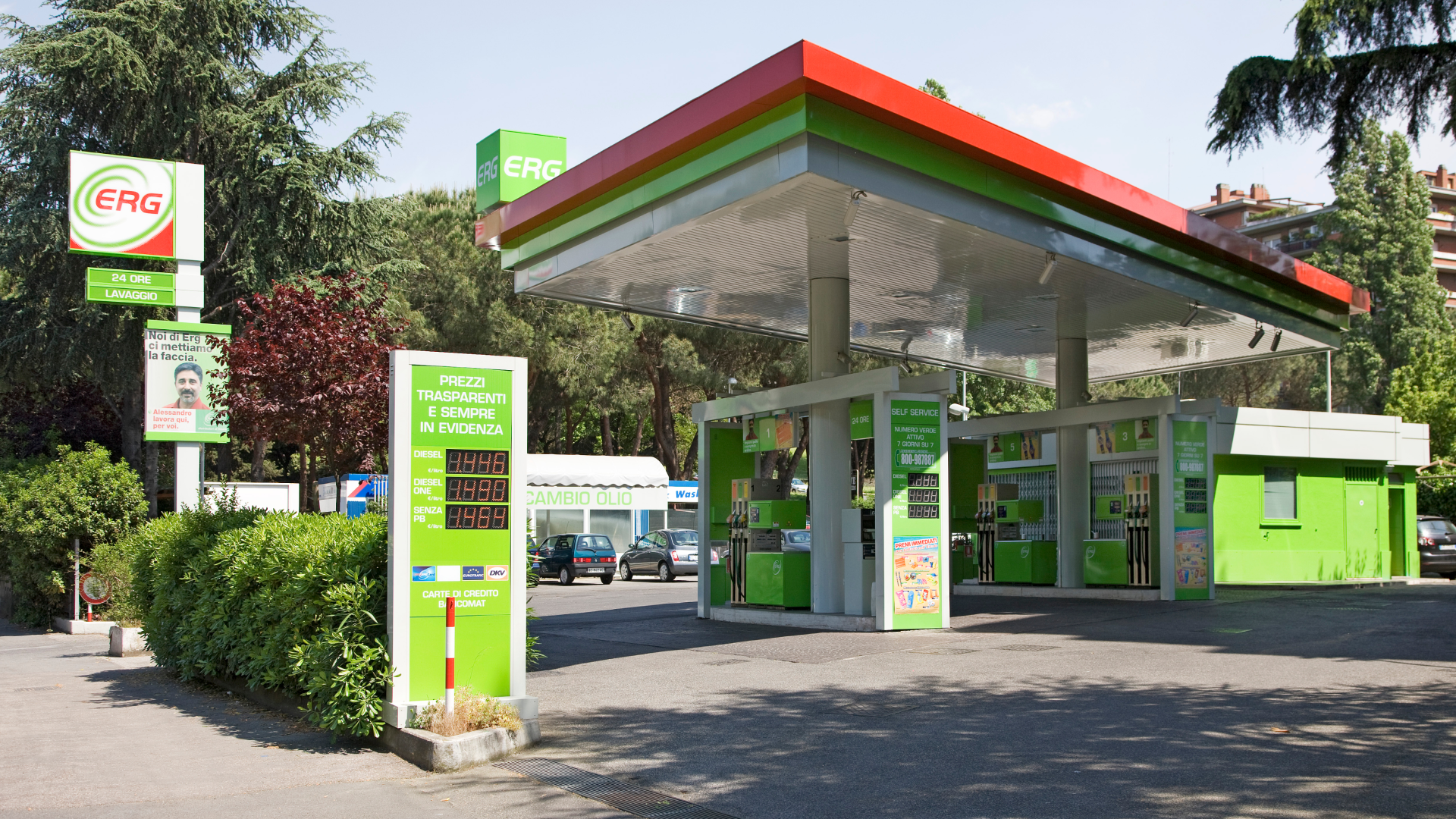
The canopy — the cover over the fueling forecourt — is the most visible architectural element of a gas station from a distance. It shapes the customer’s visual experience and protects fuel, equipment and customers from the weather. Petrol Group has designed canopies for 29 years and explains the types and specifications here. See an example in the renovation of Posto Zapa, in Ponta Grossa/PR (Brazil), which received a new canopy.
Canopy materials: comparison
Metal roofing (metal panel or insulated sandwich panel): the most durable, 20–30 years of service life, requires a sturdier steel structure, higher upfront cost, best for permanent stations. Tensioned membrane (PVC fabric): lower cost, 10–15 years of service life, allows more organic shapes, more common in low-budget renovations. ACM + structure: an intermediate solution, good resistance, excellent visual finish.
Minimum canopy sizing
Minimum clearance: 5.0 meters (about 16 ft 5 in) for trucks, which is recommended for highway stations, and 4.2 meters (about 13 ft 9 in) for urban passenger-vehicle stations. Minimum side overhang: 1.5 meters (about 5 ft) beyond the dispenser on each side. Every fueling island should be fully covered — no uncovered area between dispensers. Always confirm clearances, loads and fire-protection requirements with your local codes and the authority having jurisdiction (AHJ).
The canopy fascia: where the brand identity lives
The canopy fascia is the main support for the brand signage. At branded stations, the fascia has strict specifications for material, height and logo placement. ACM with a Kynar finish is the industry standard for canopy fascias.
Frequently asked questions
How many years does a metal canopy last?
With correct maintenance (anticorrosion paint every 8–10 years, annual check of the anchor bolts), 25–35 years.
See also: gas station canopies and the Petrol Group architecture service.